Solo Exhibition Spark of Life
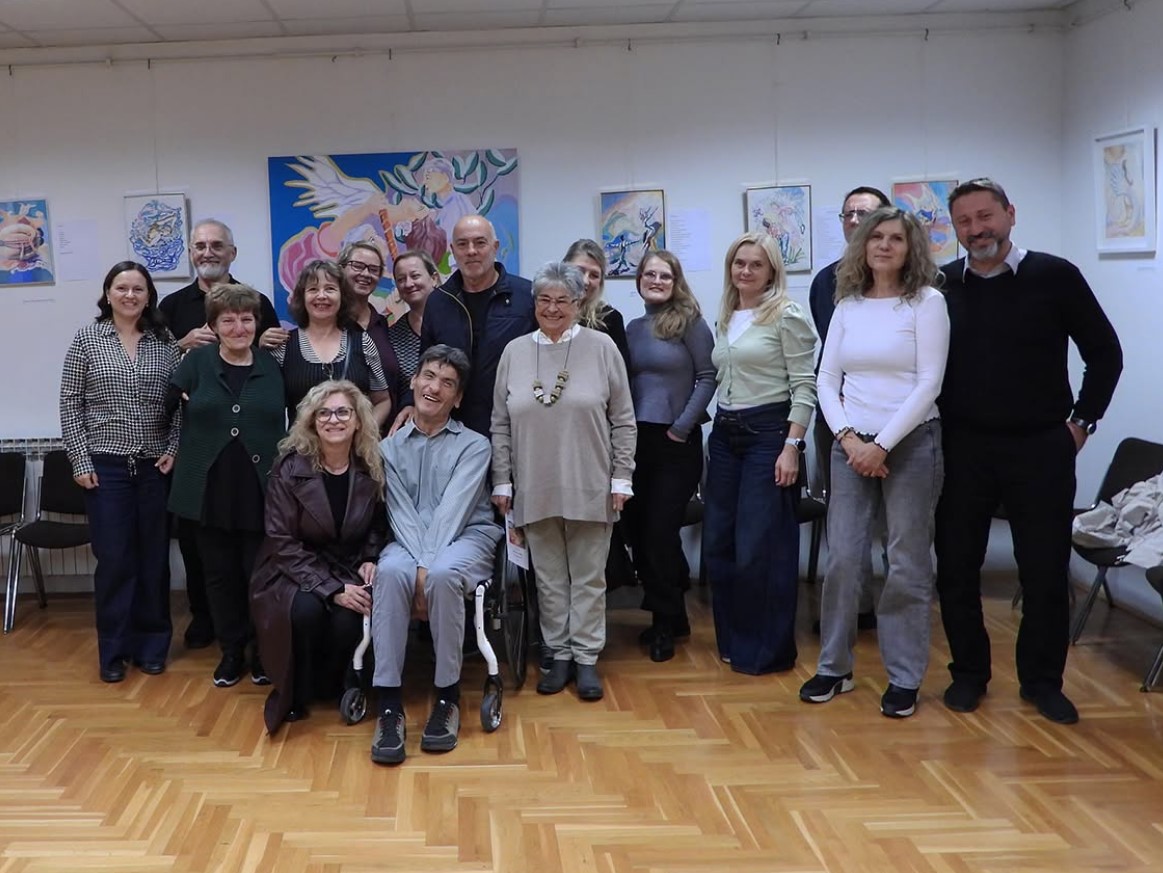
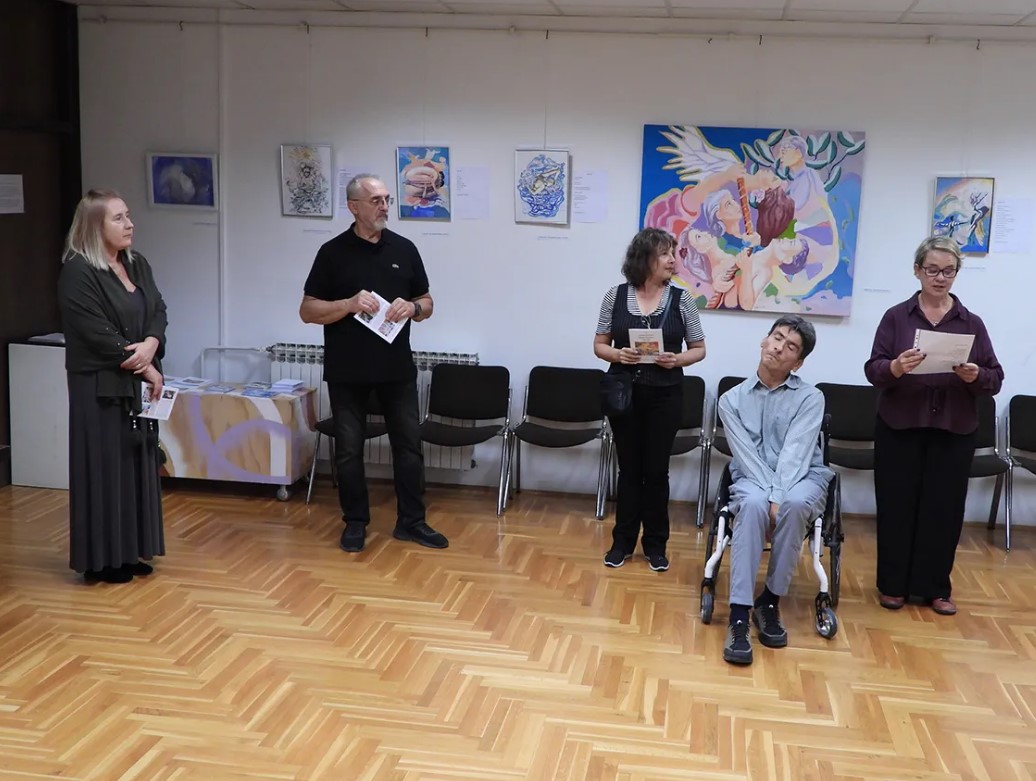
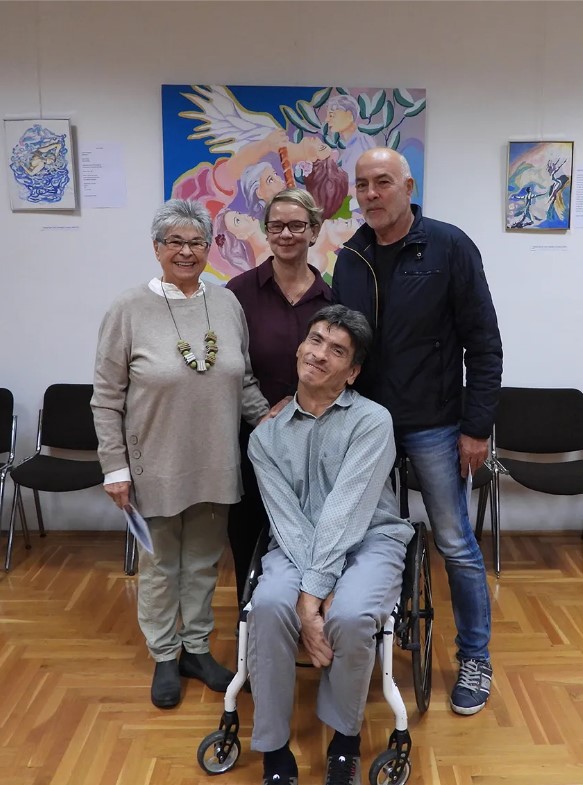
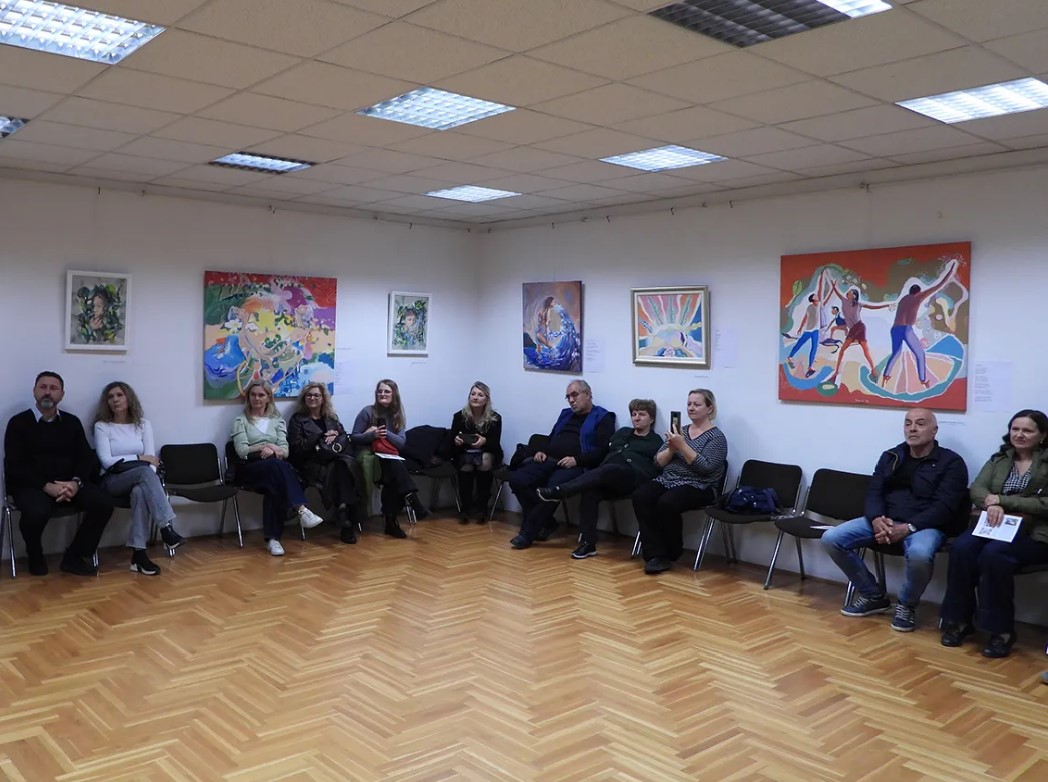
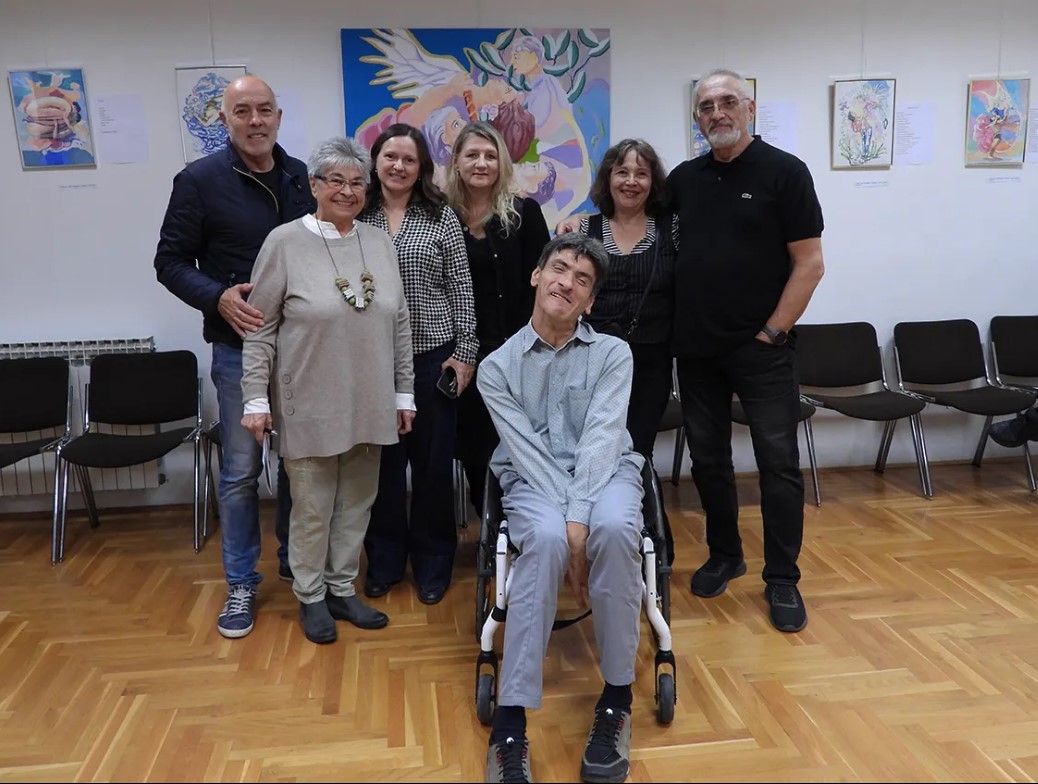
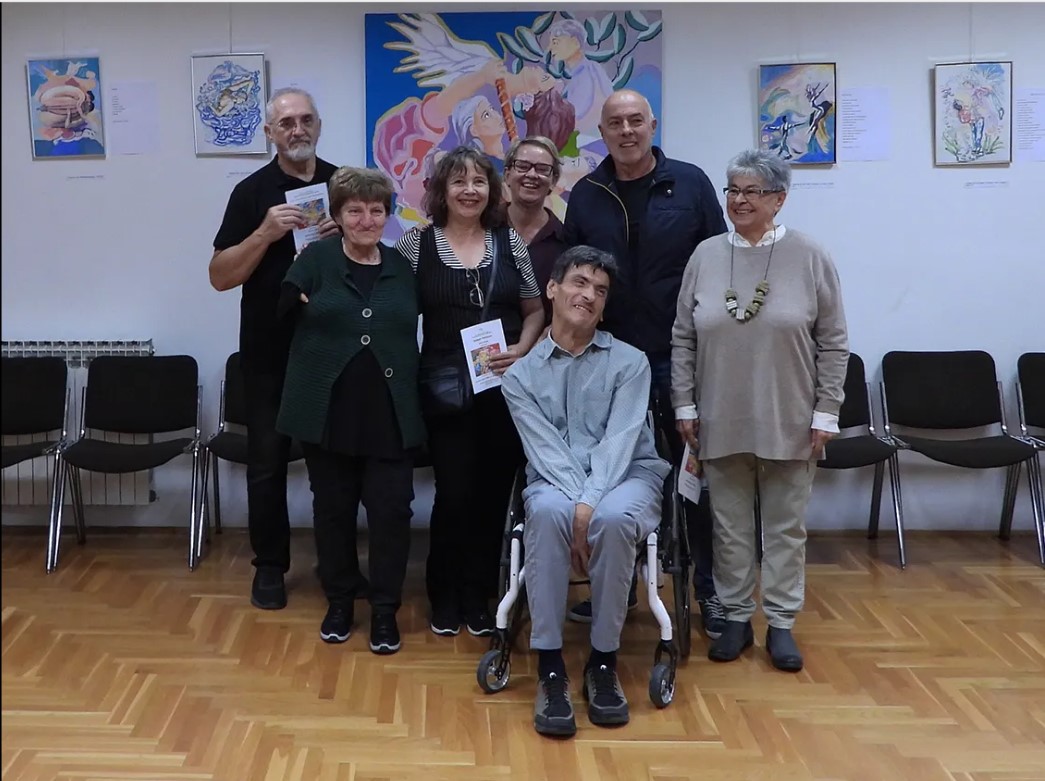
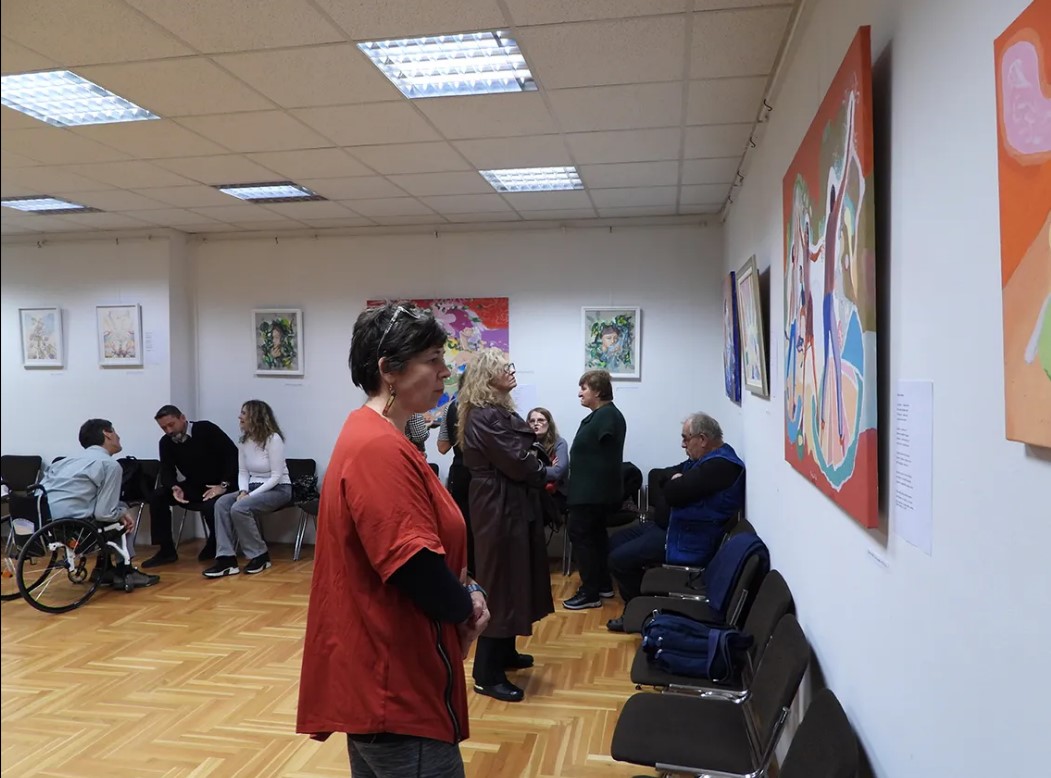
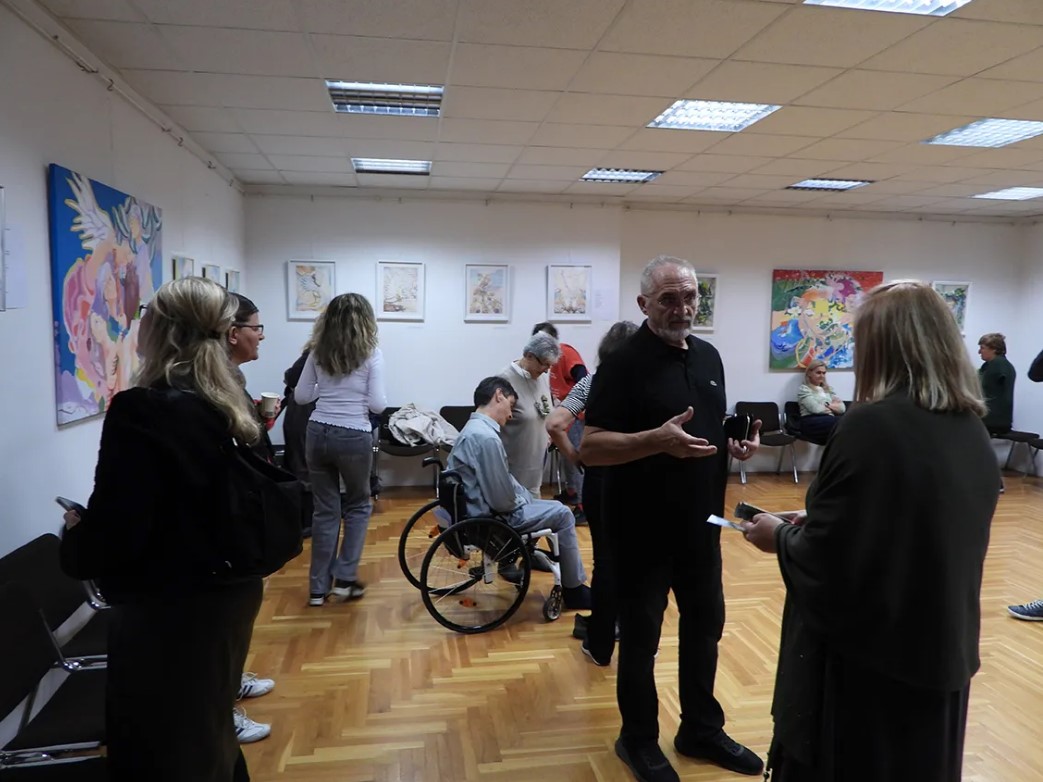
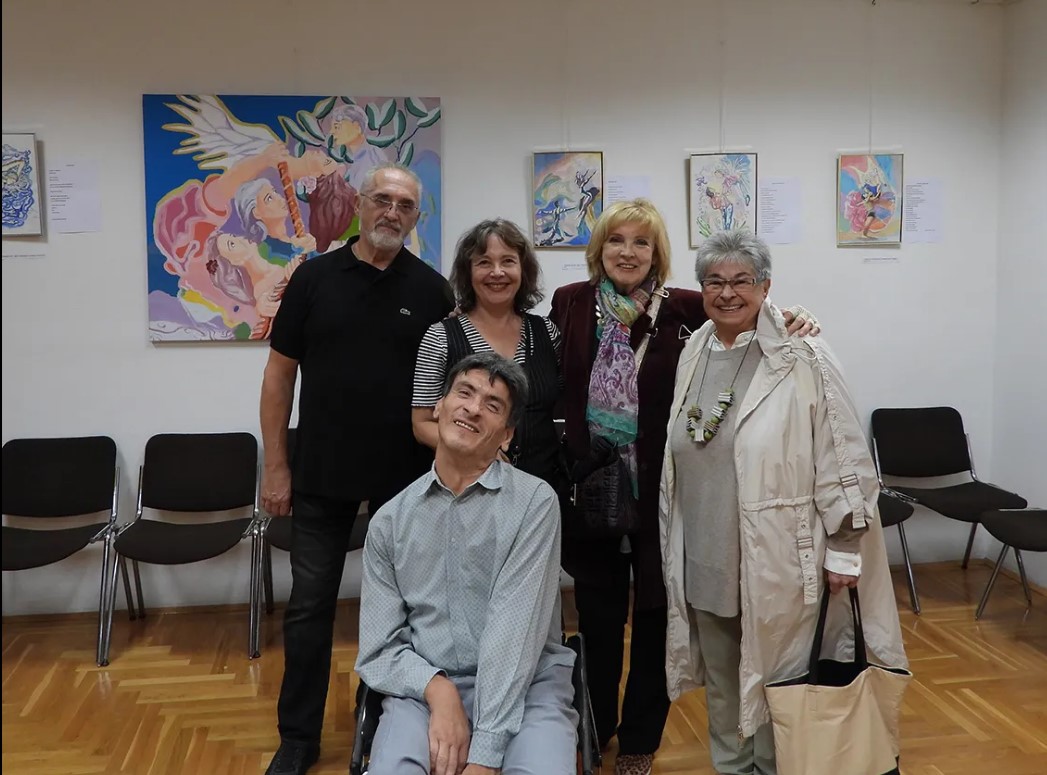
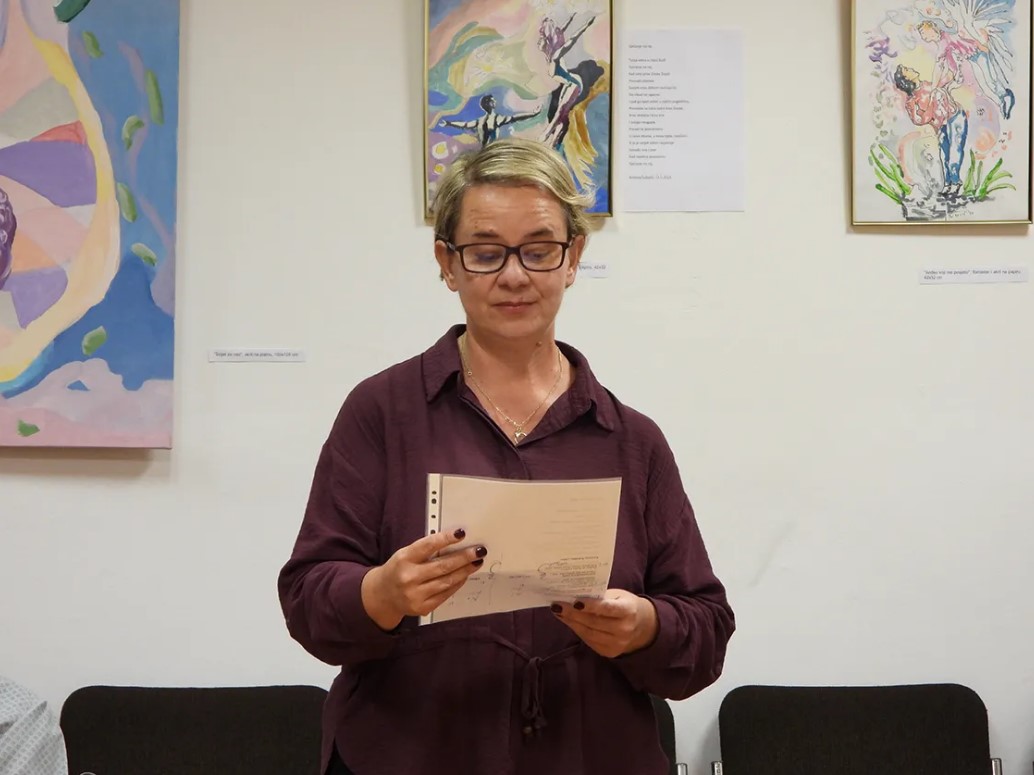
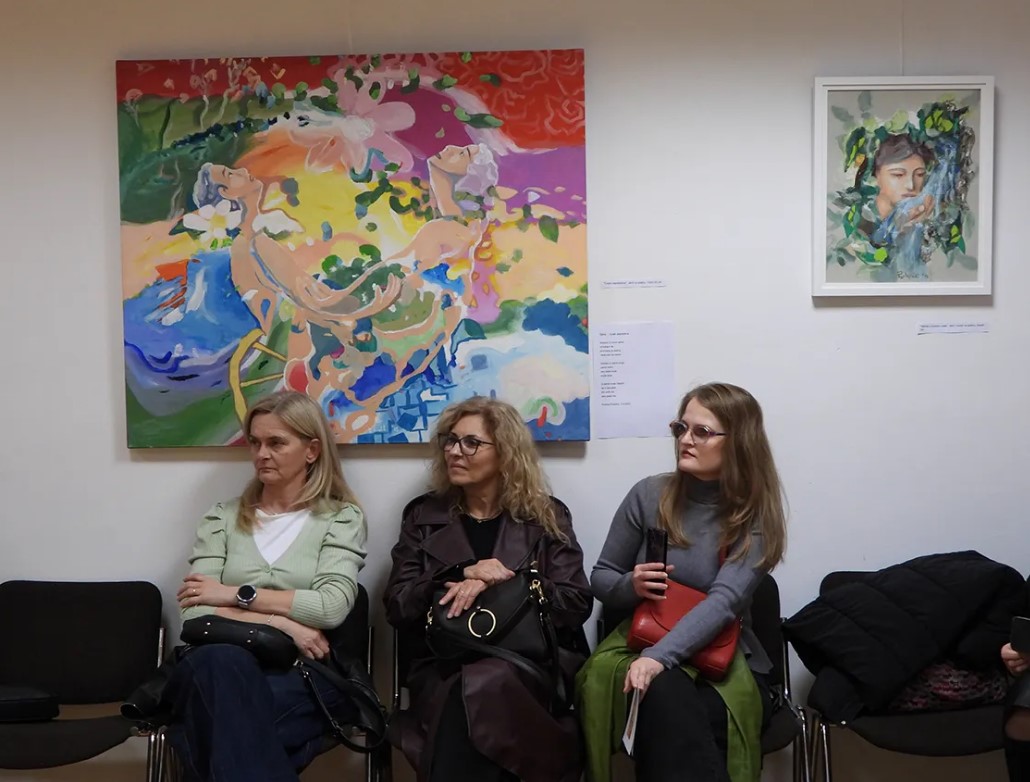
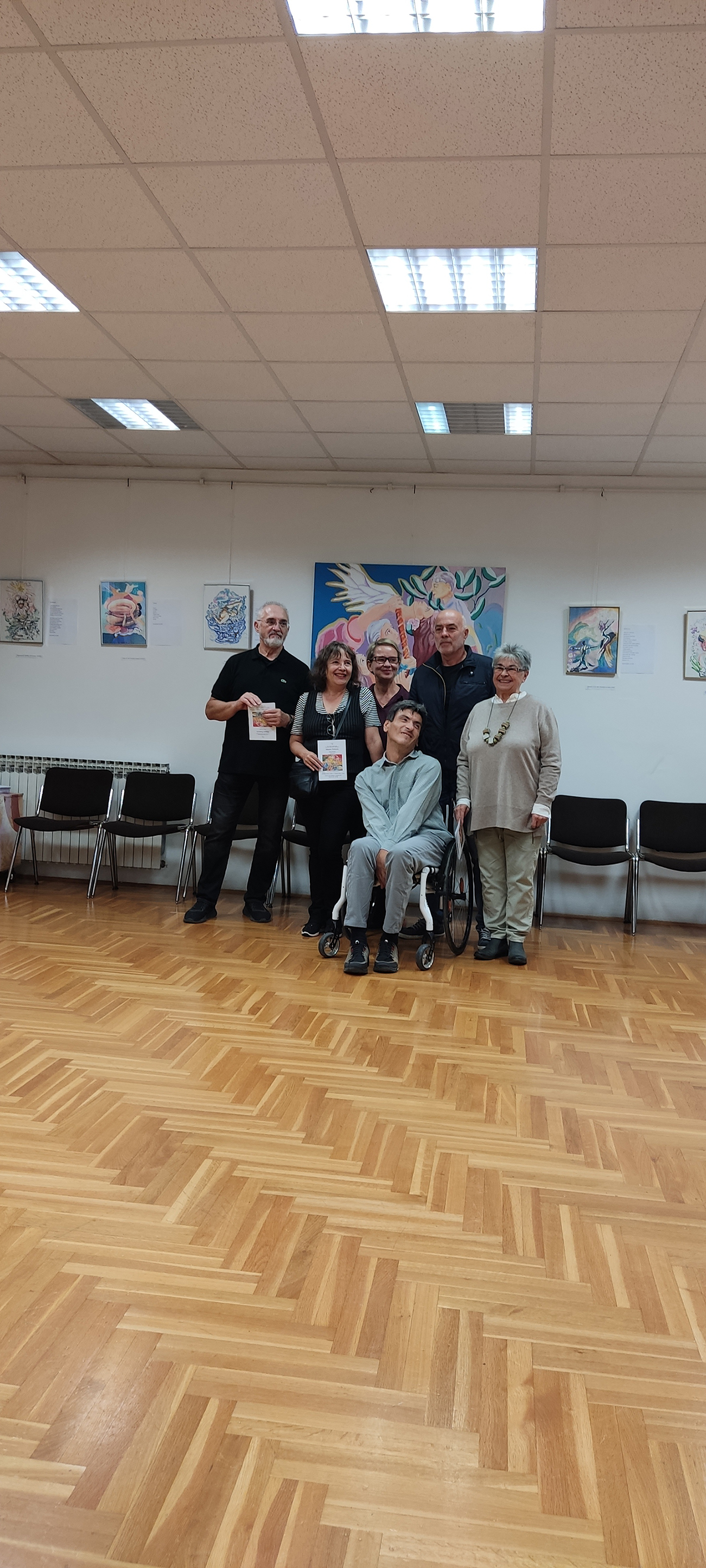
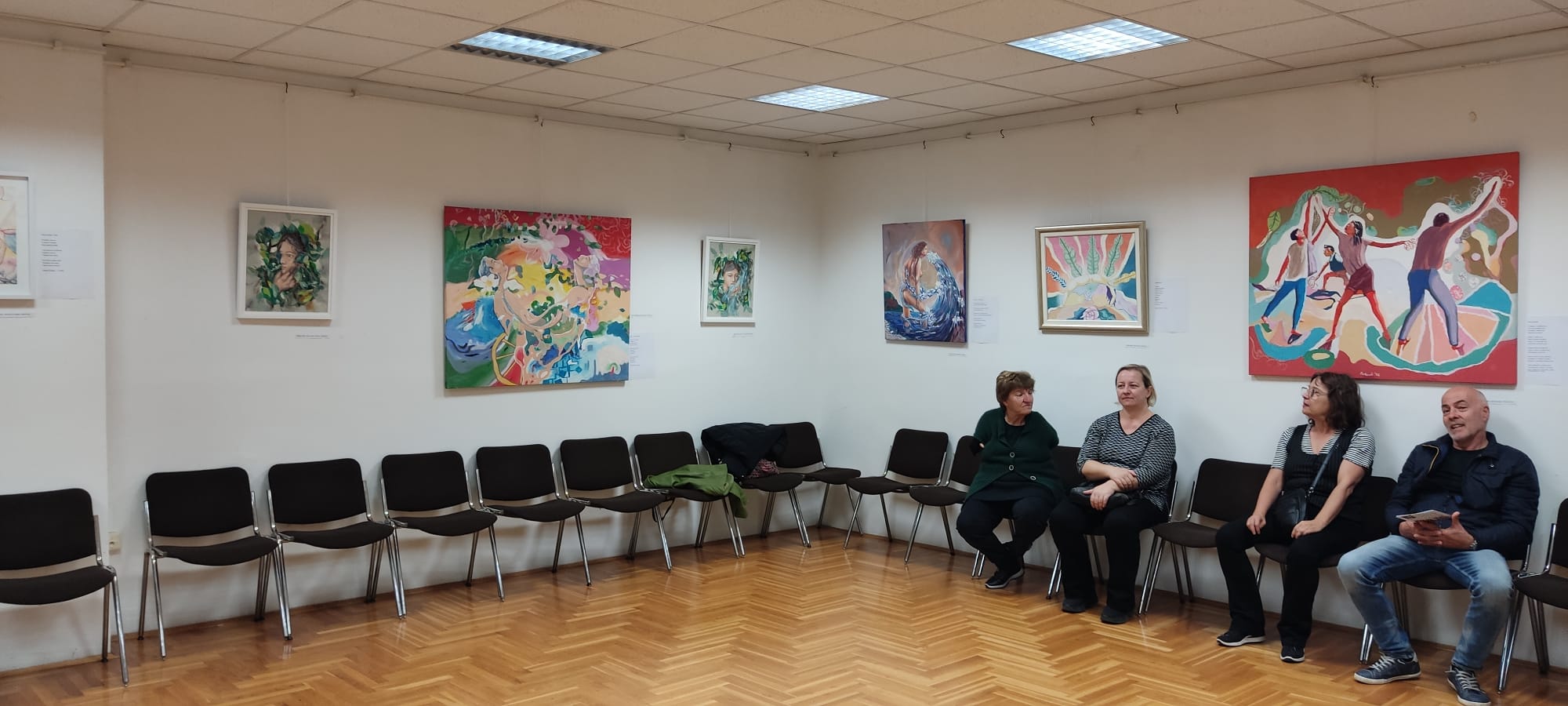
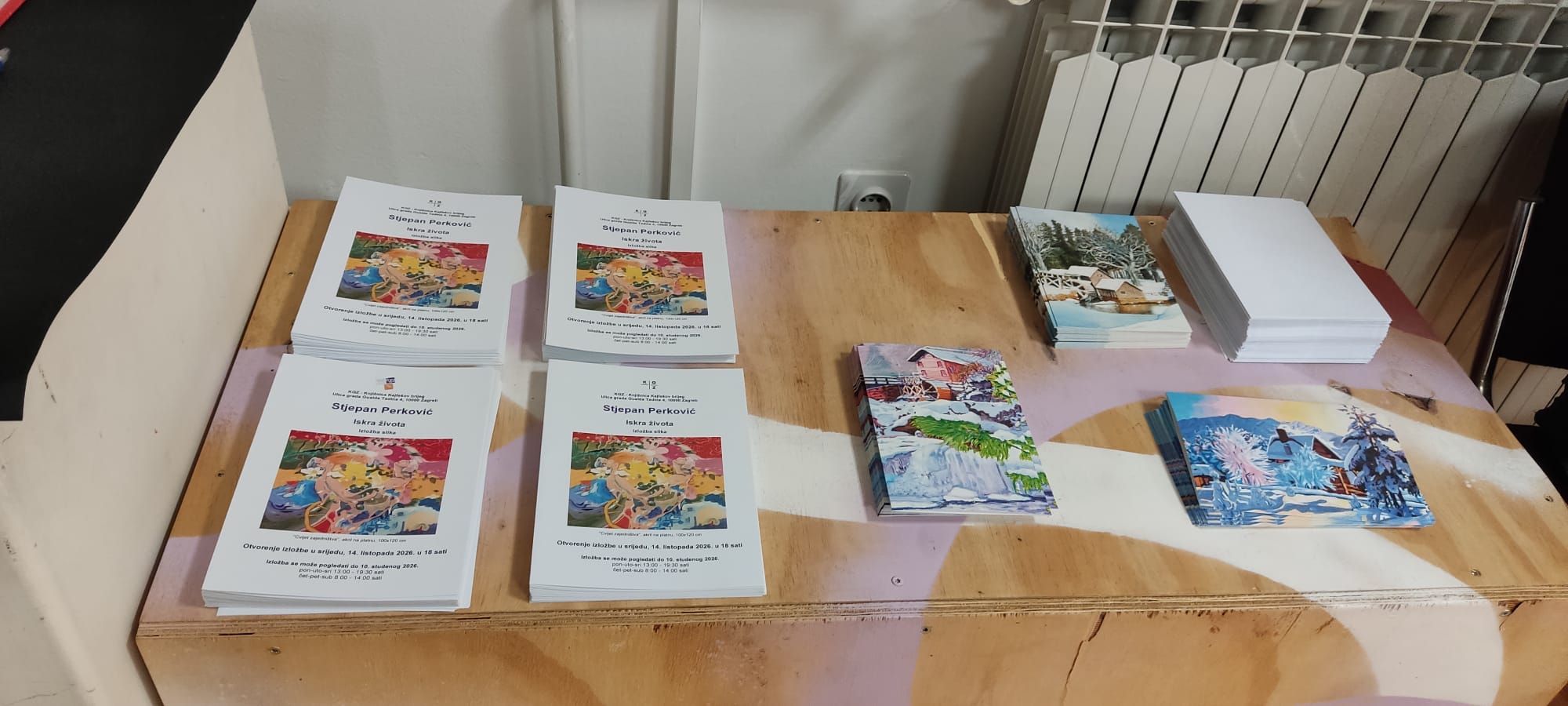
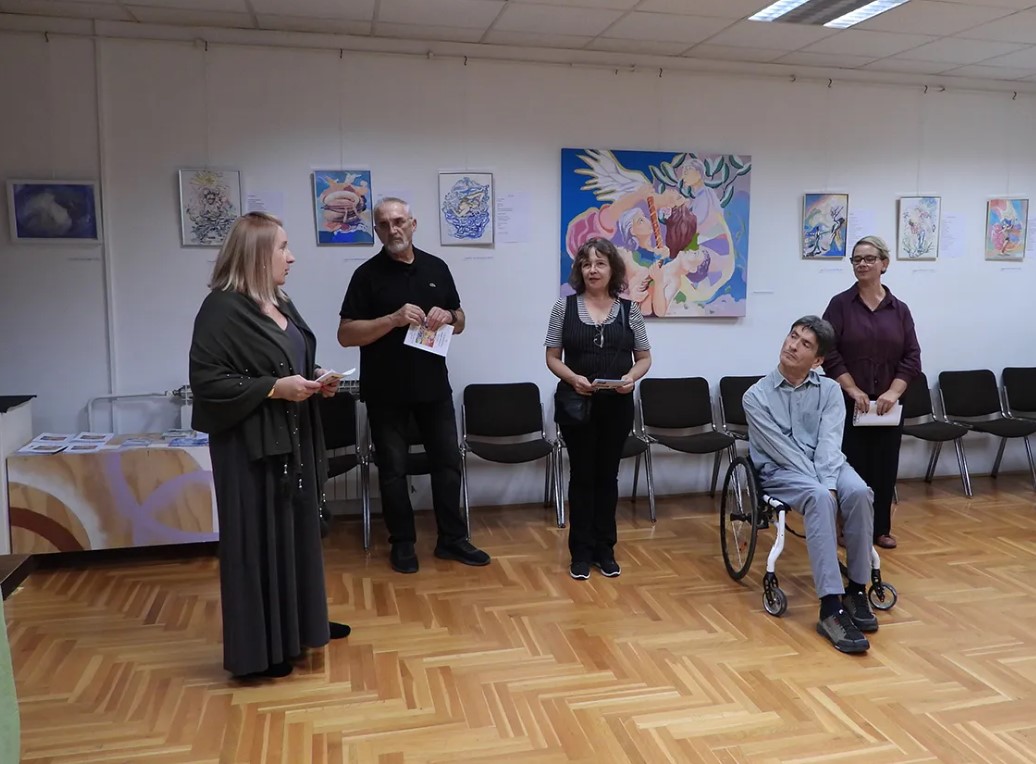
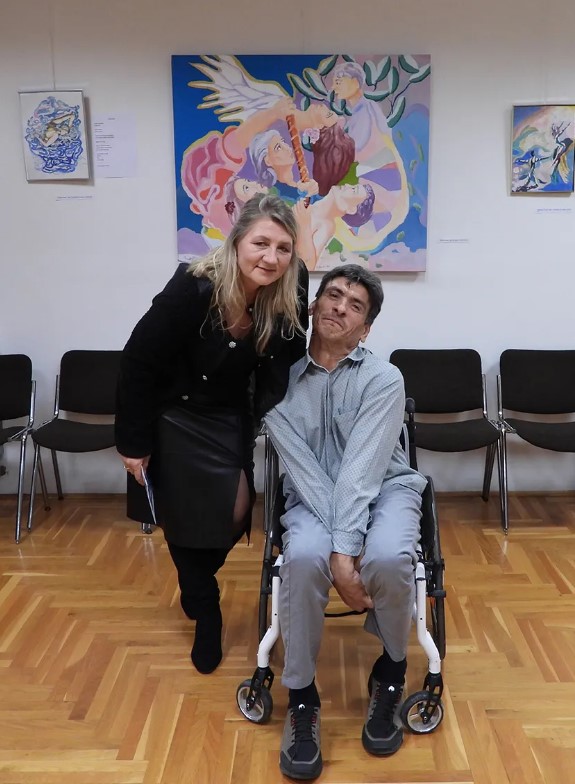
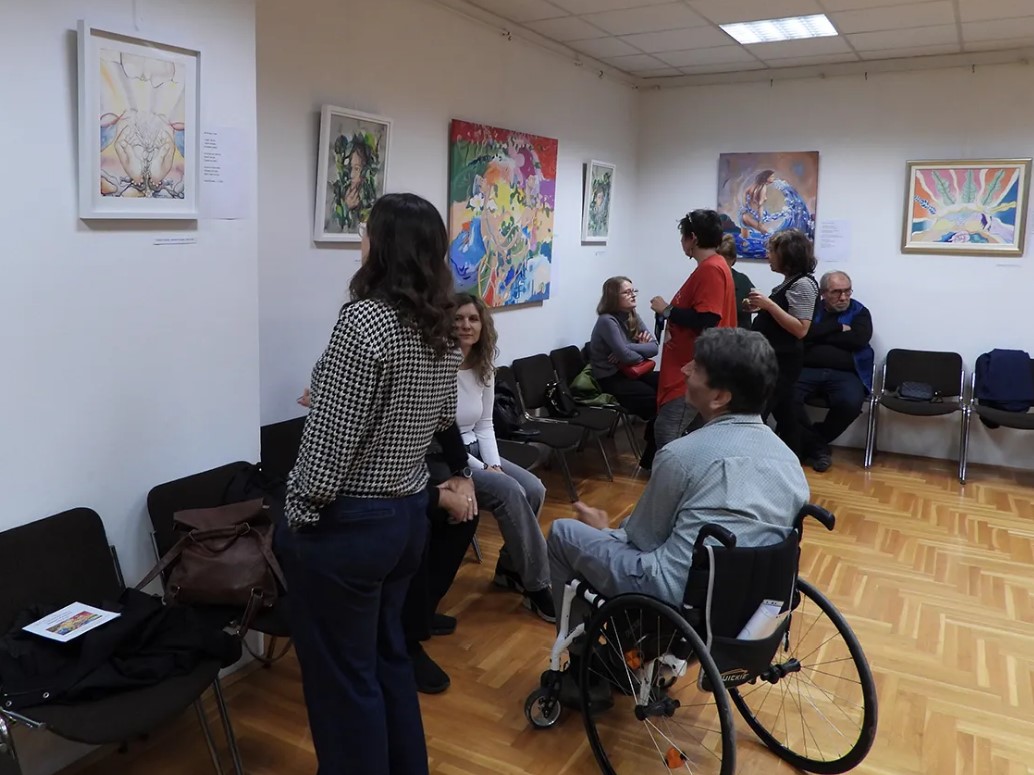
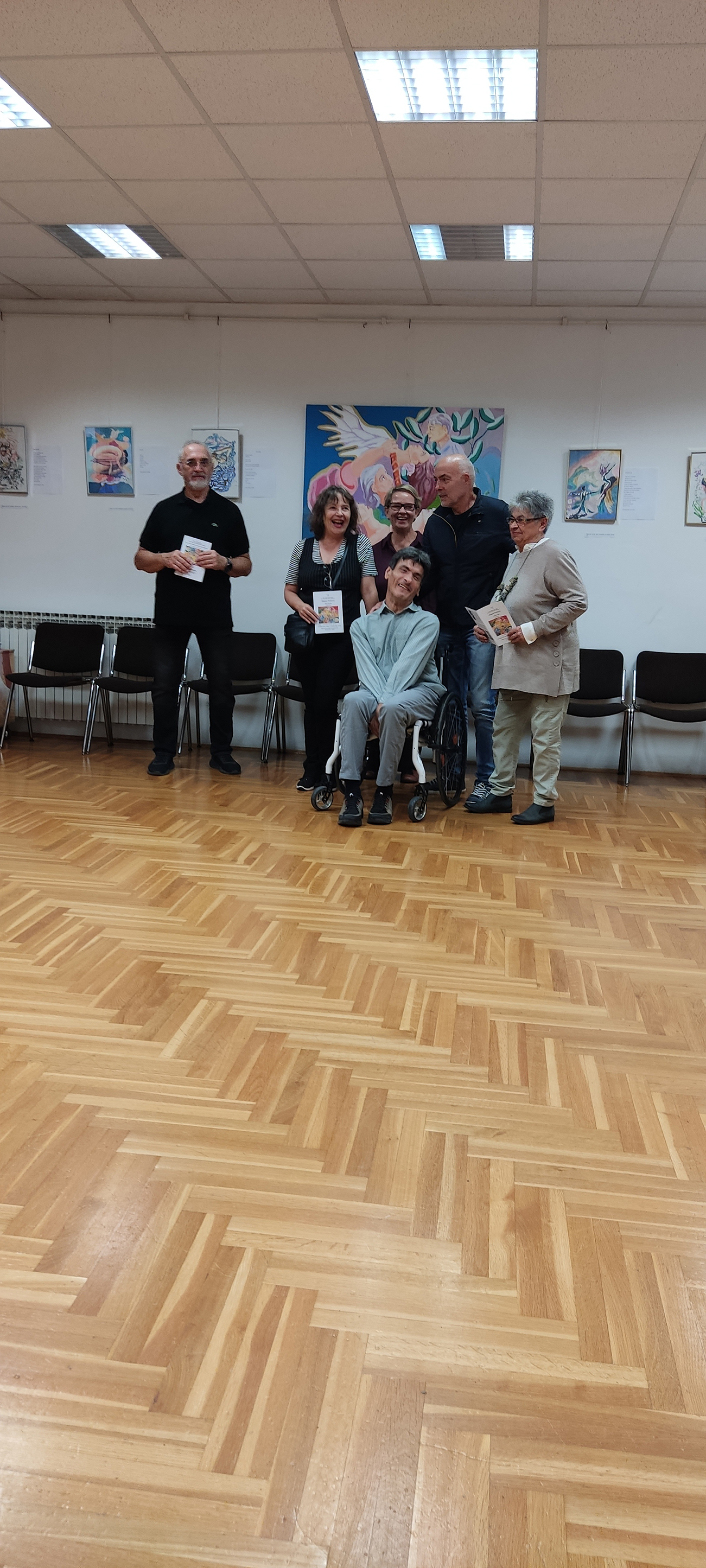
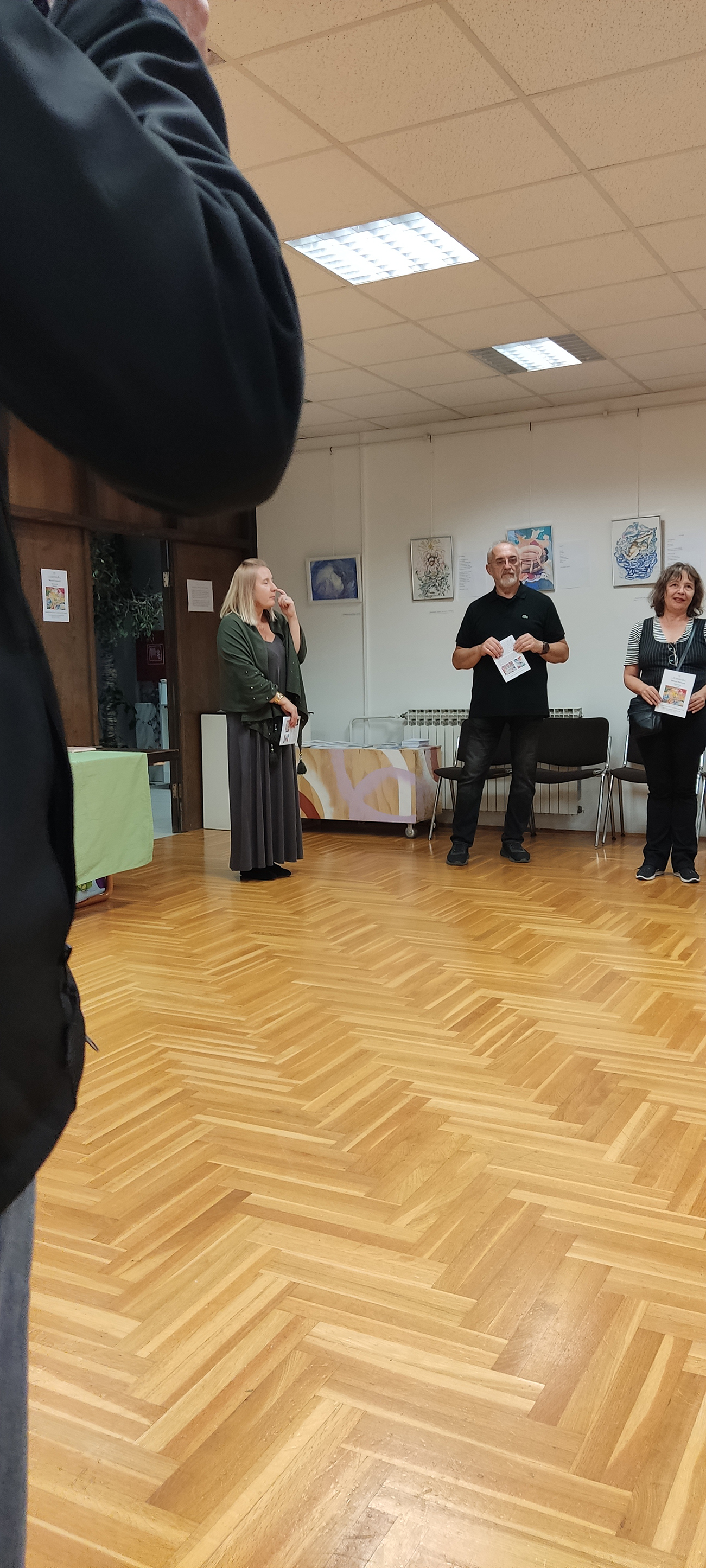
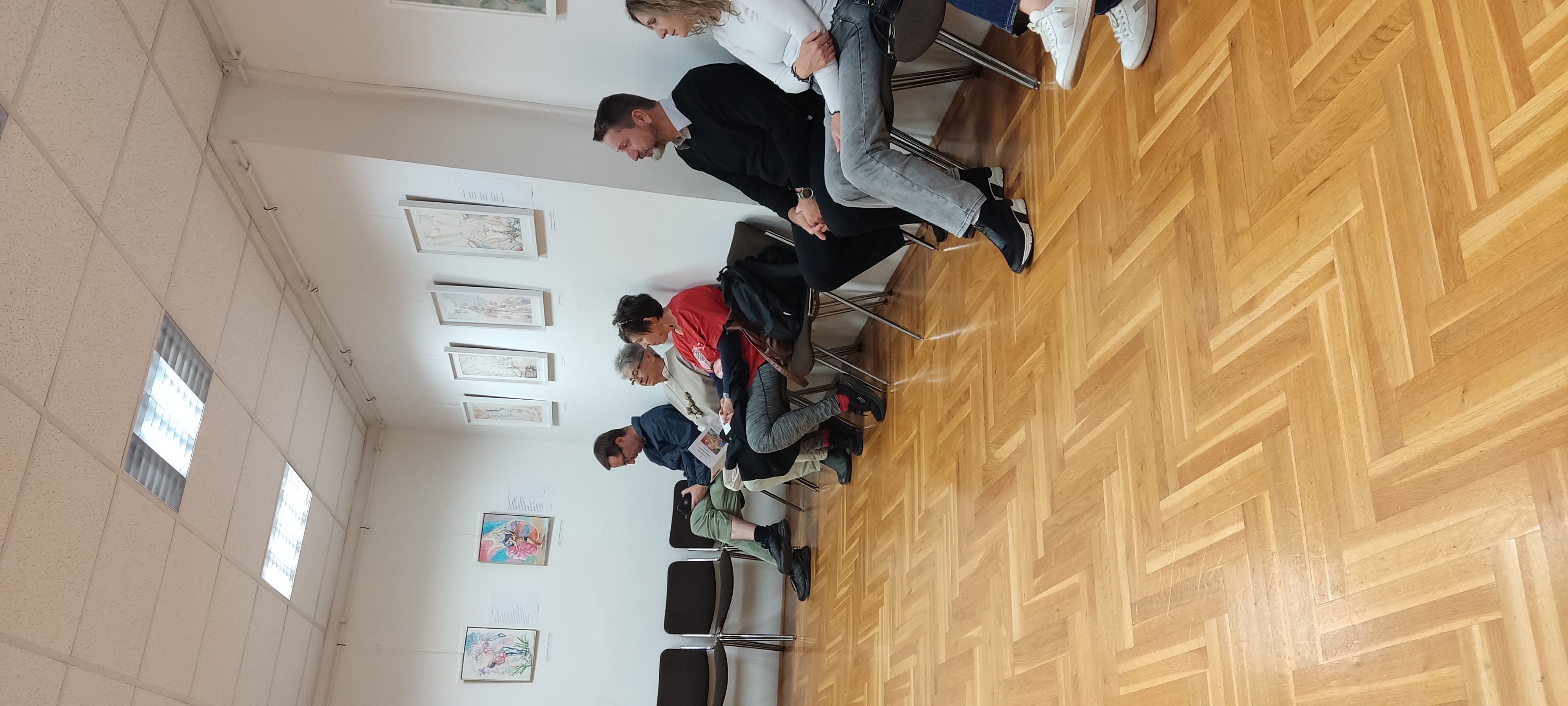
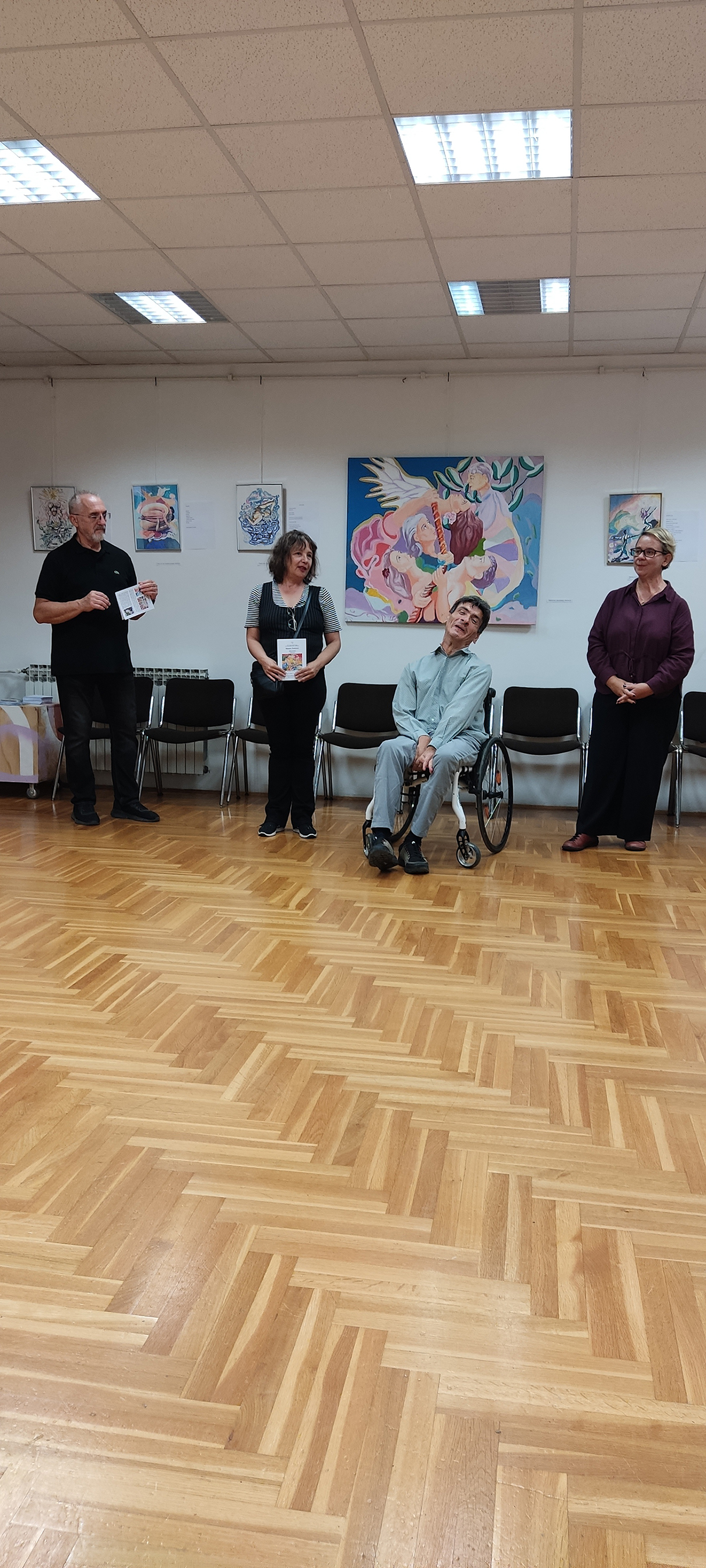
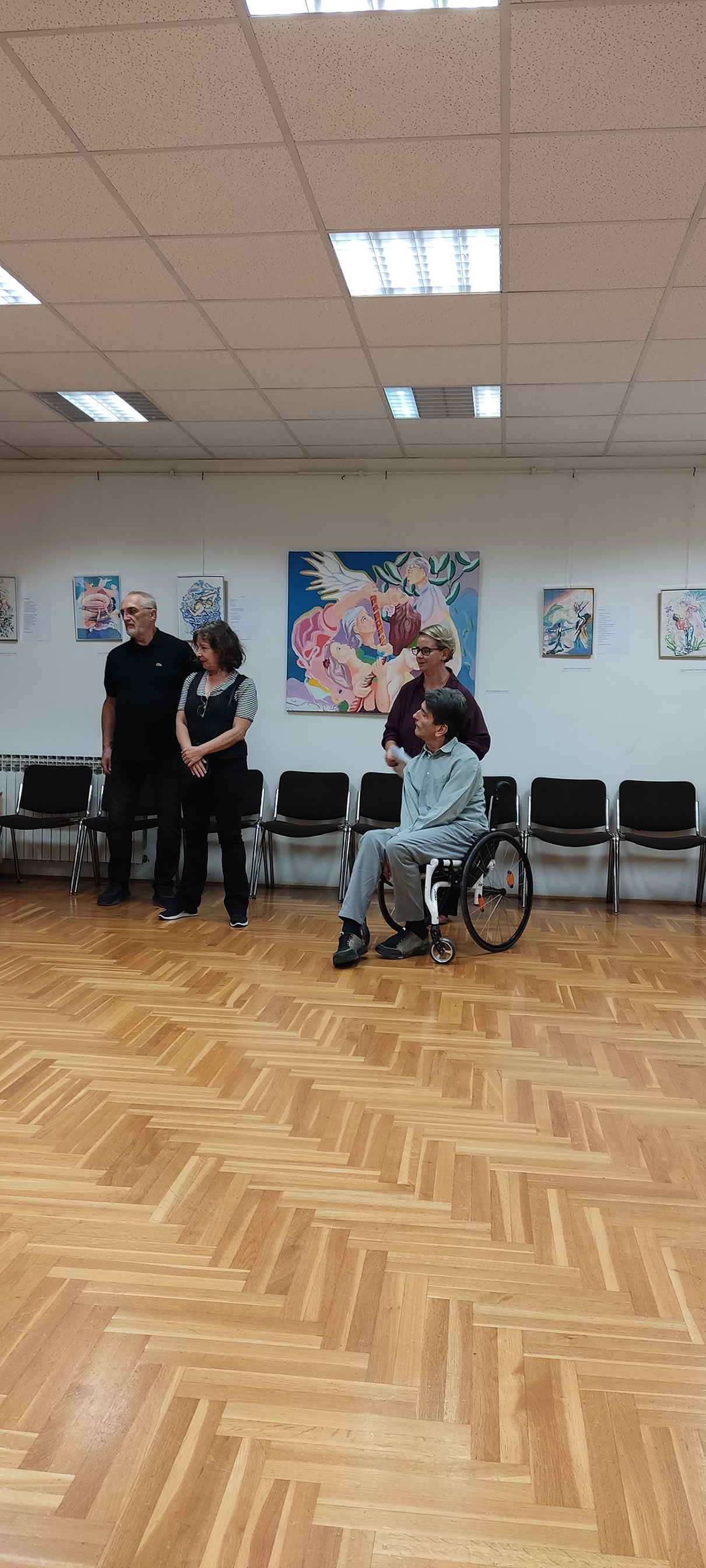
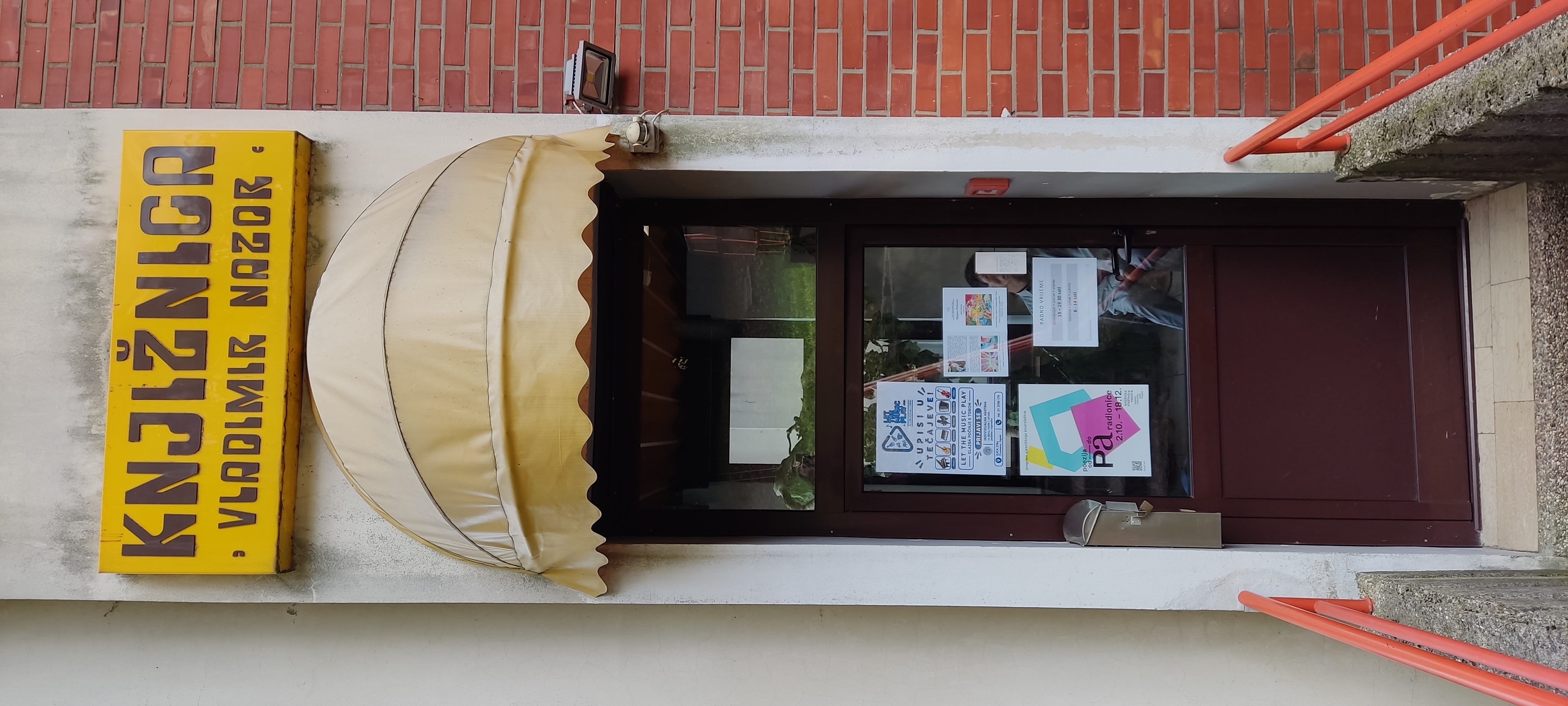
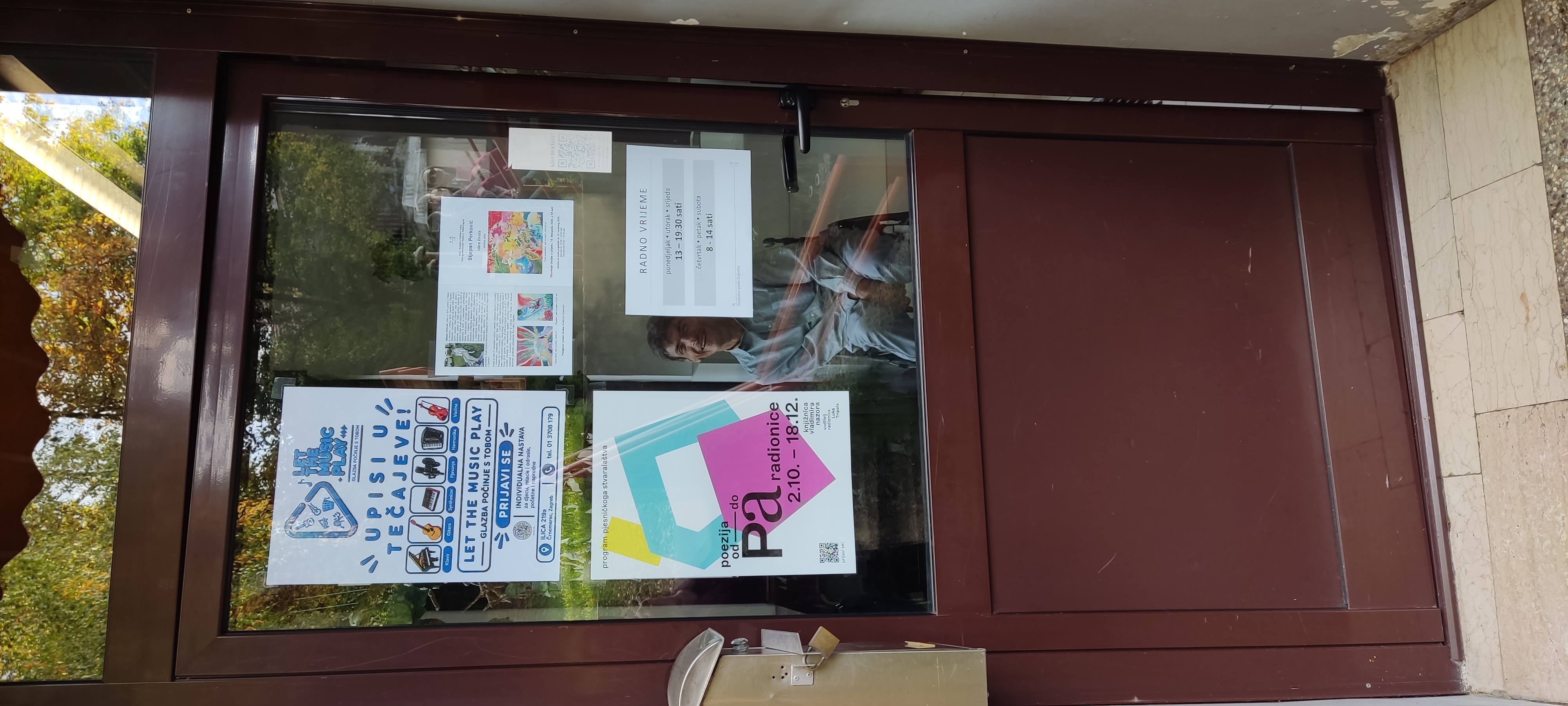
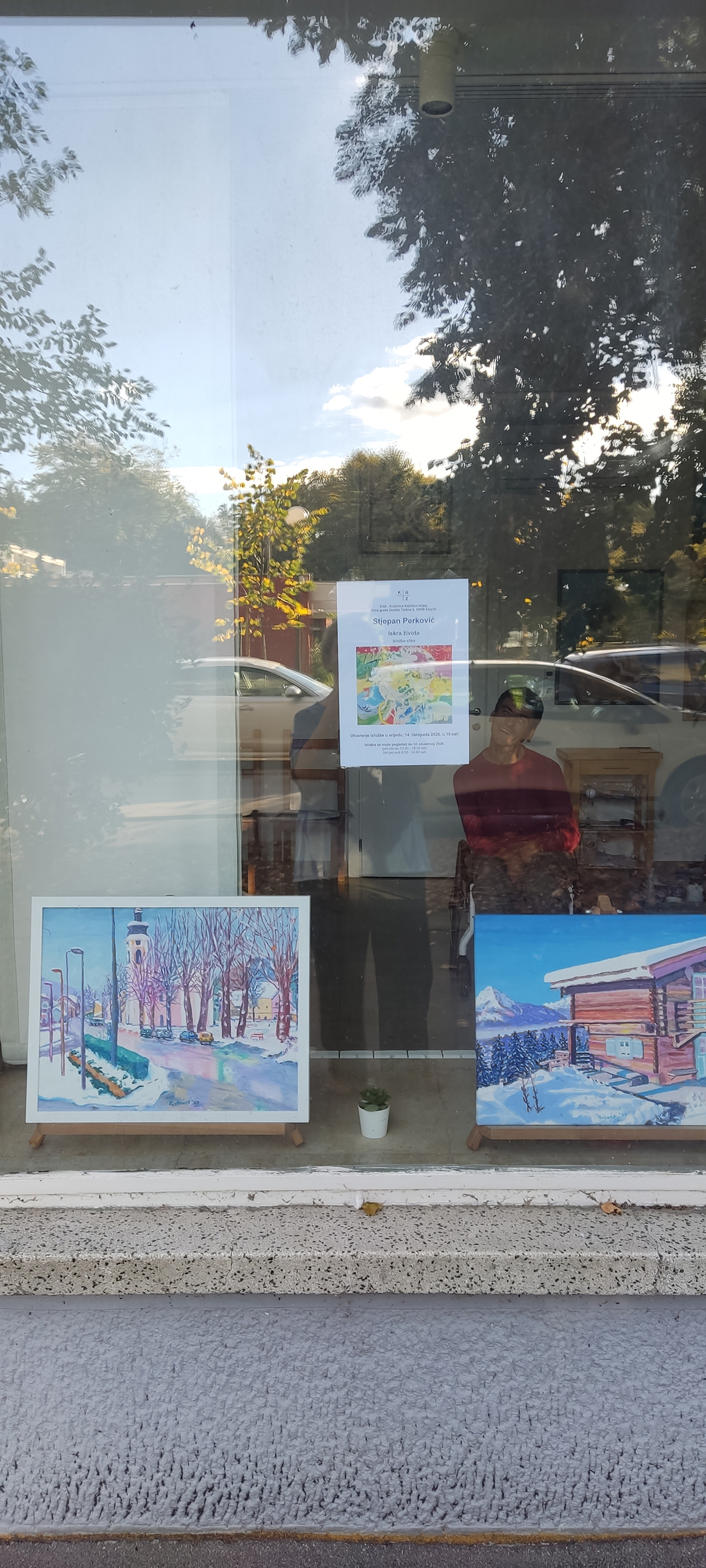
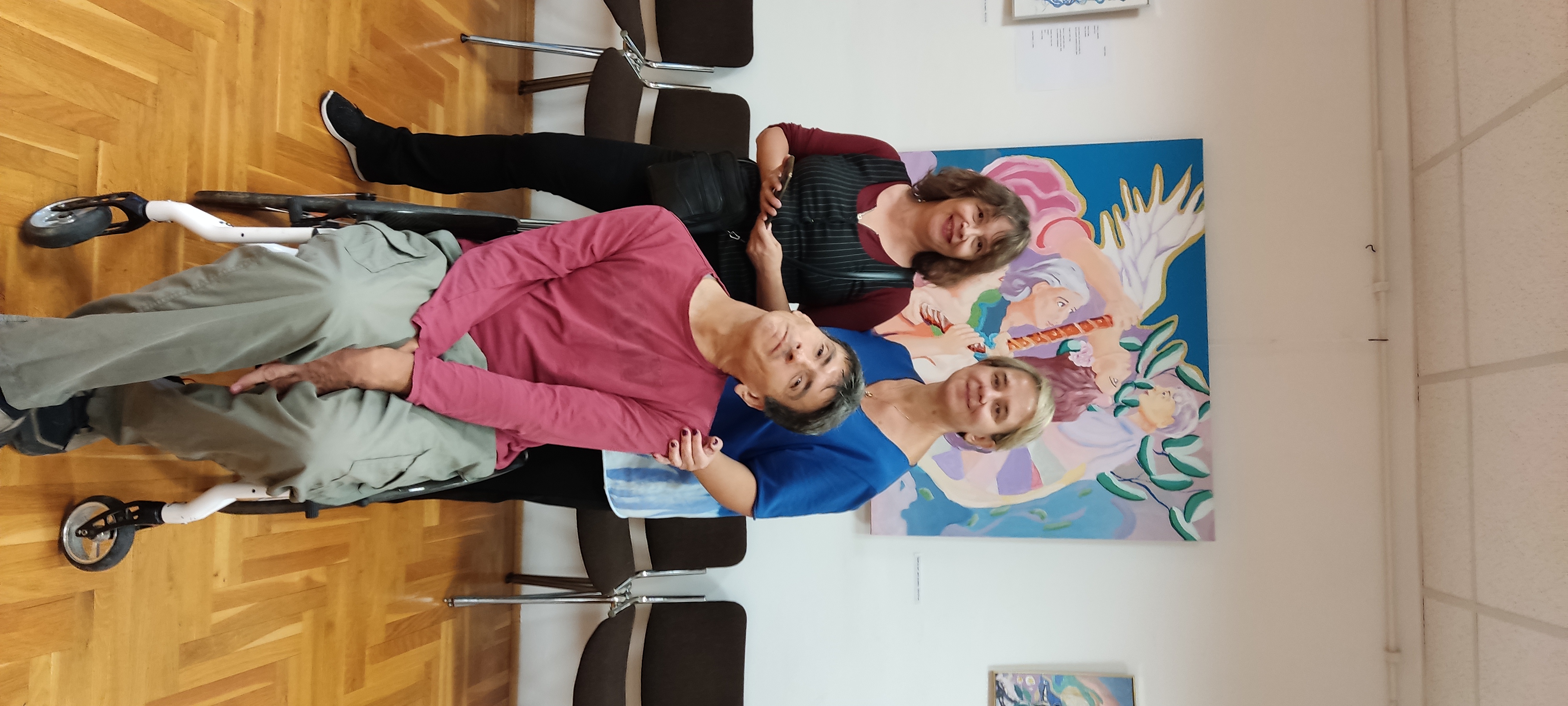
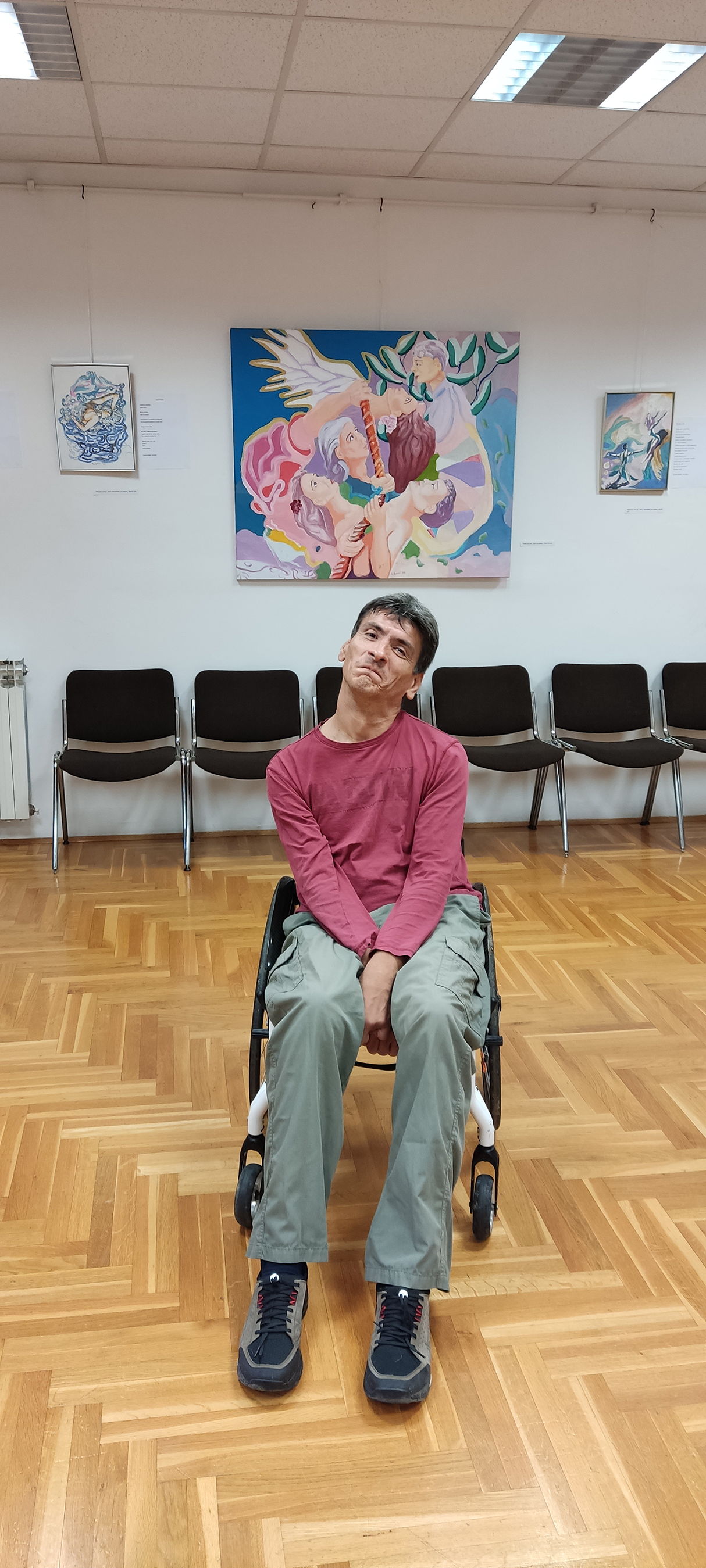
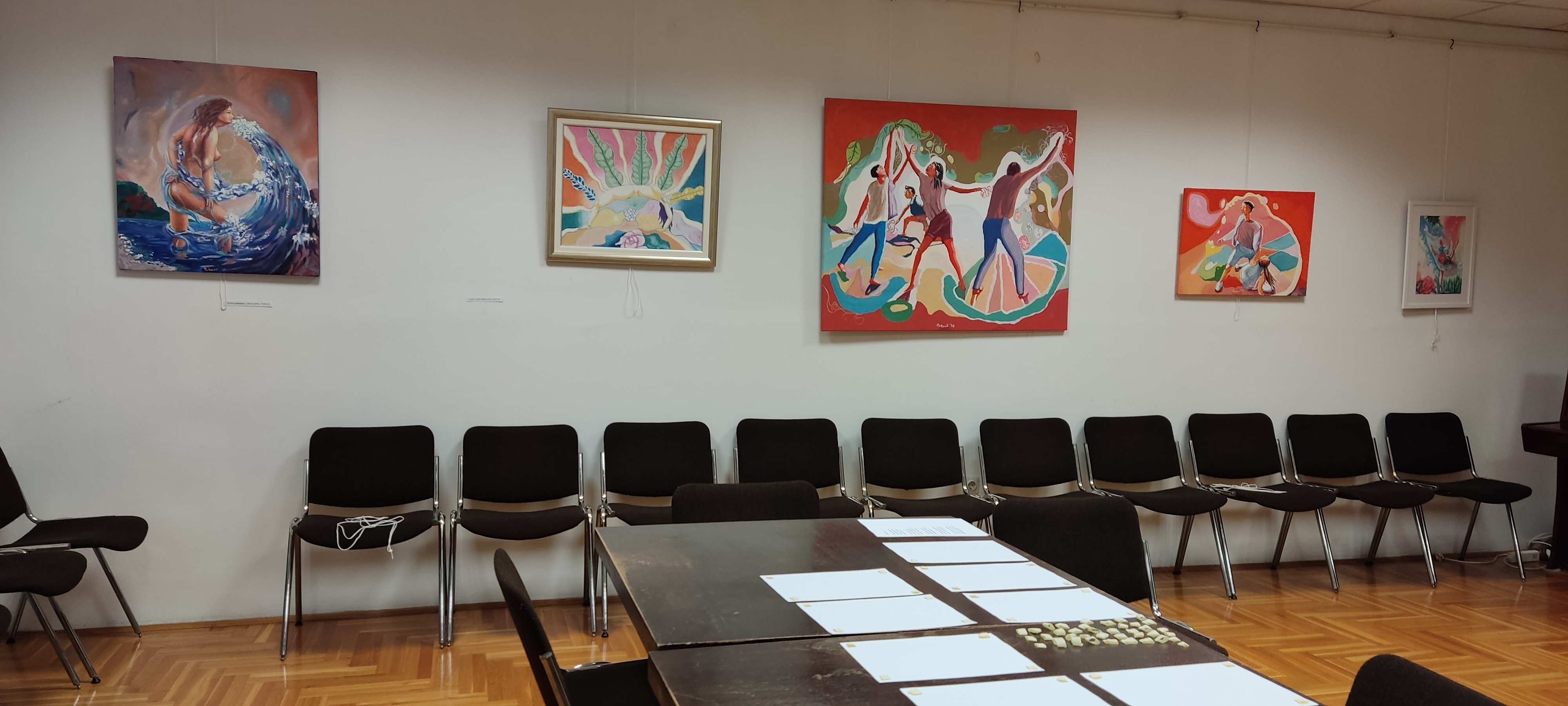
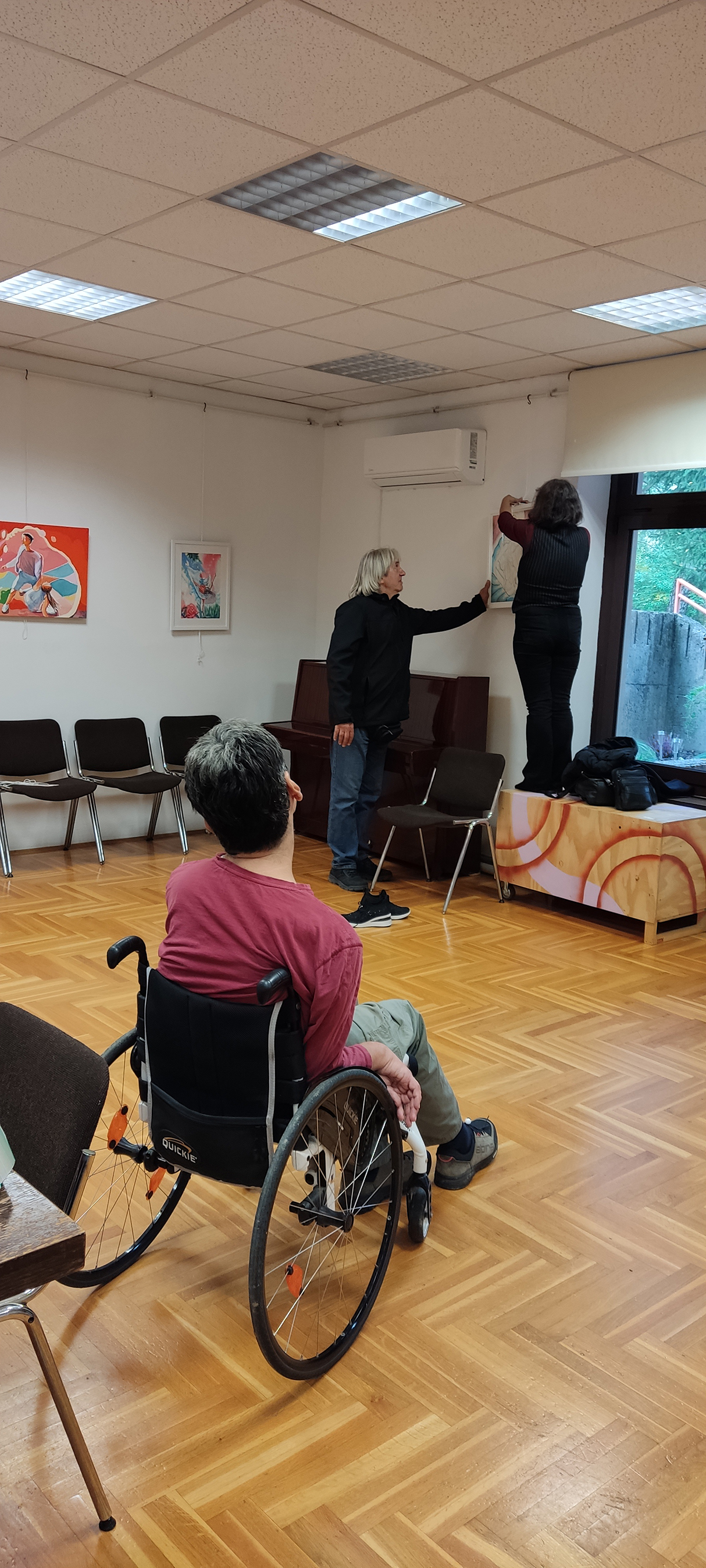
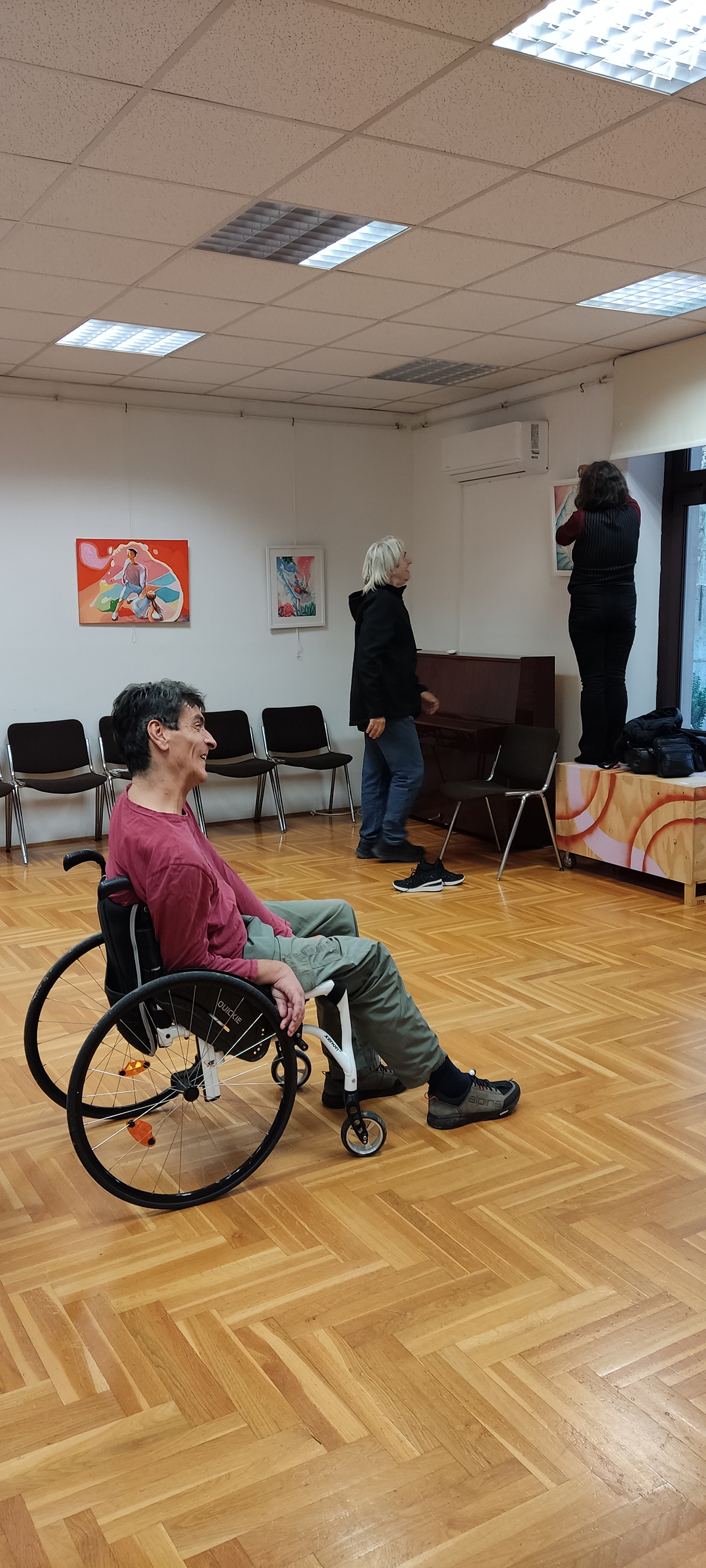
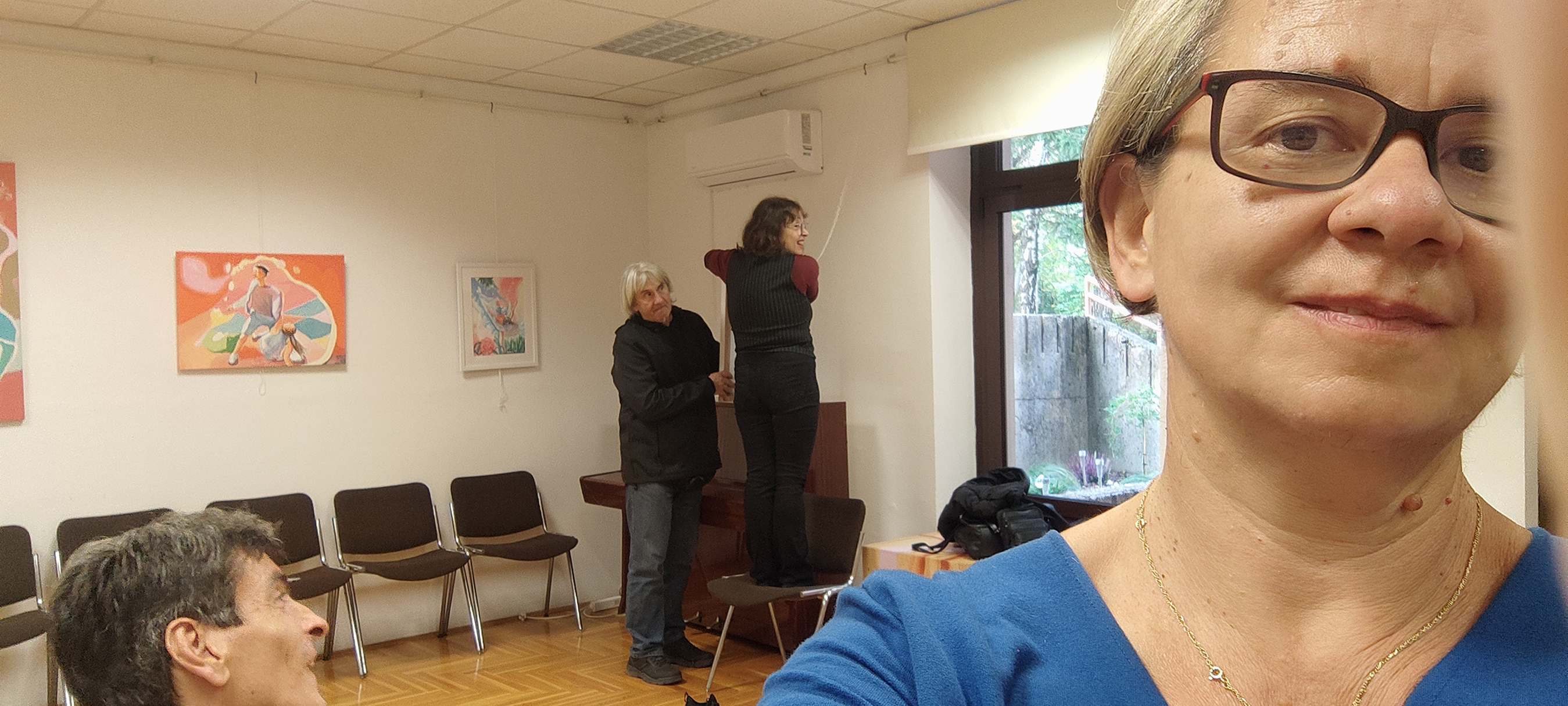
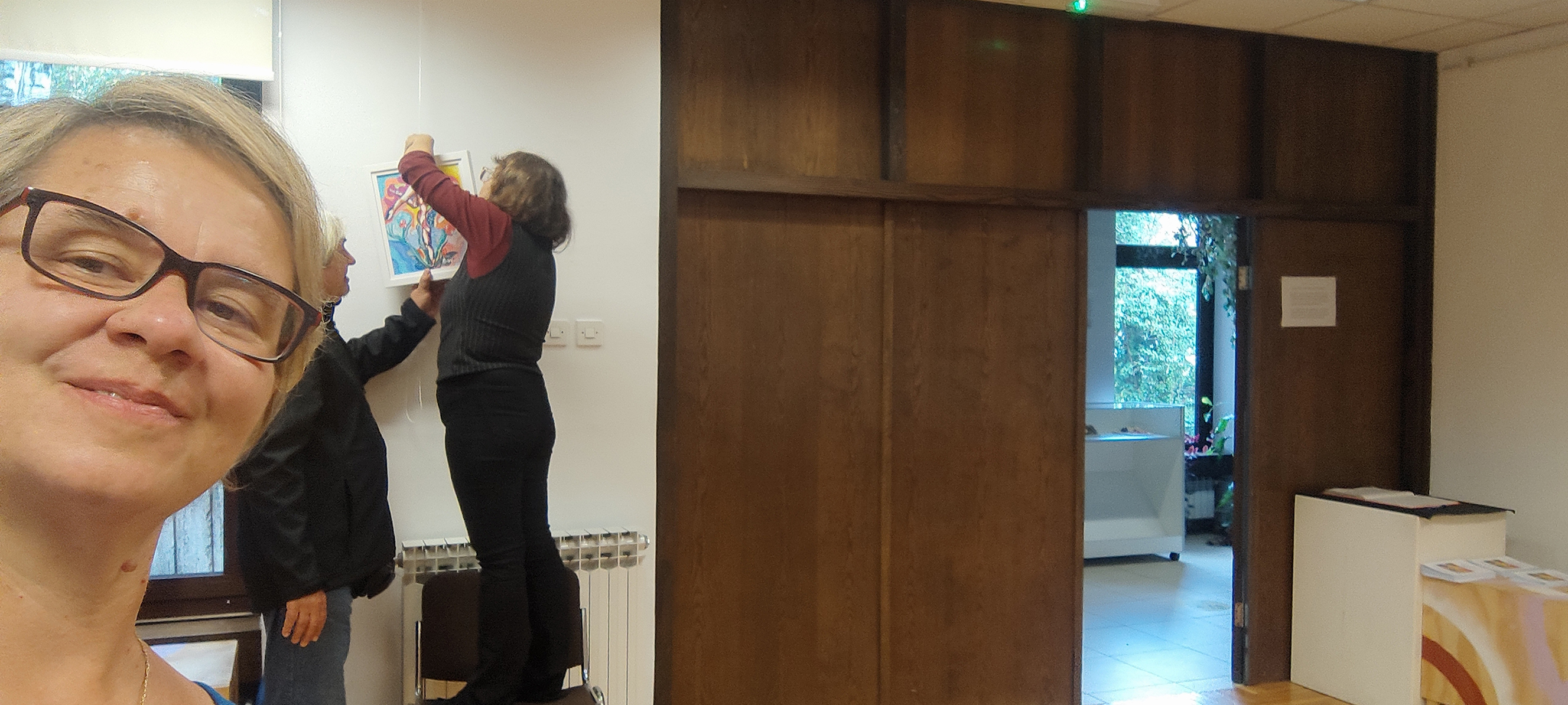
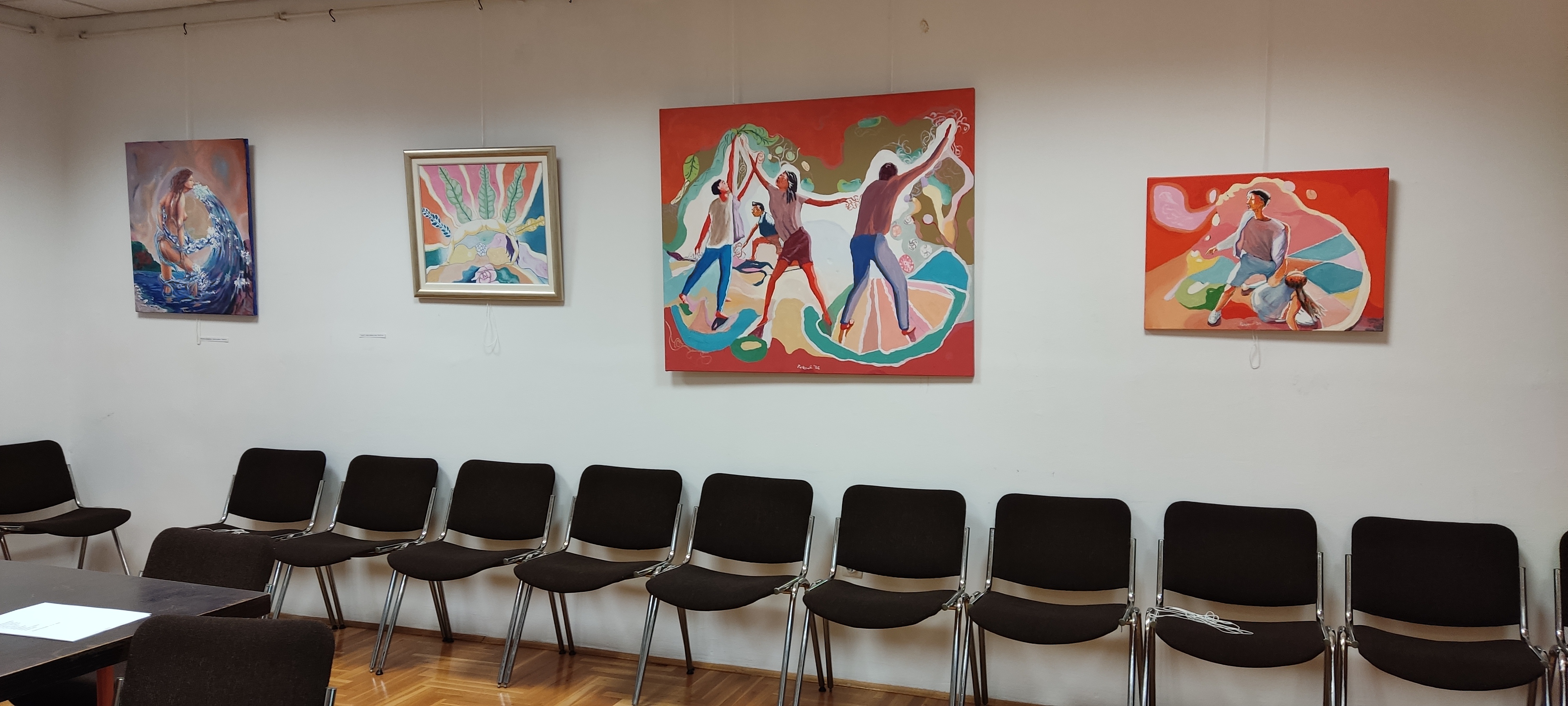
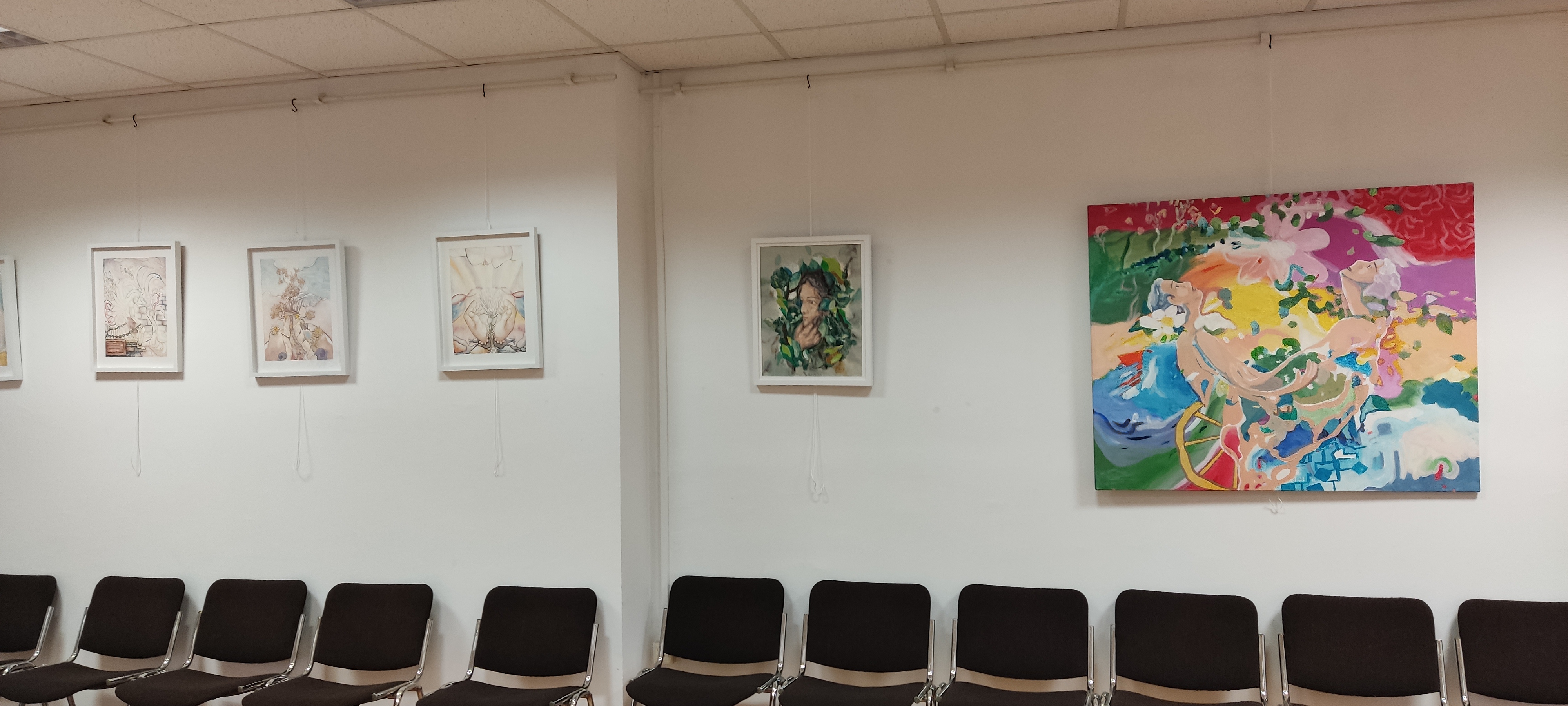
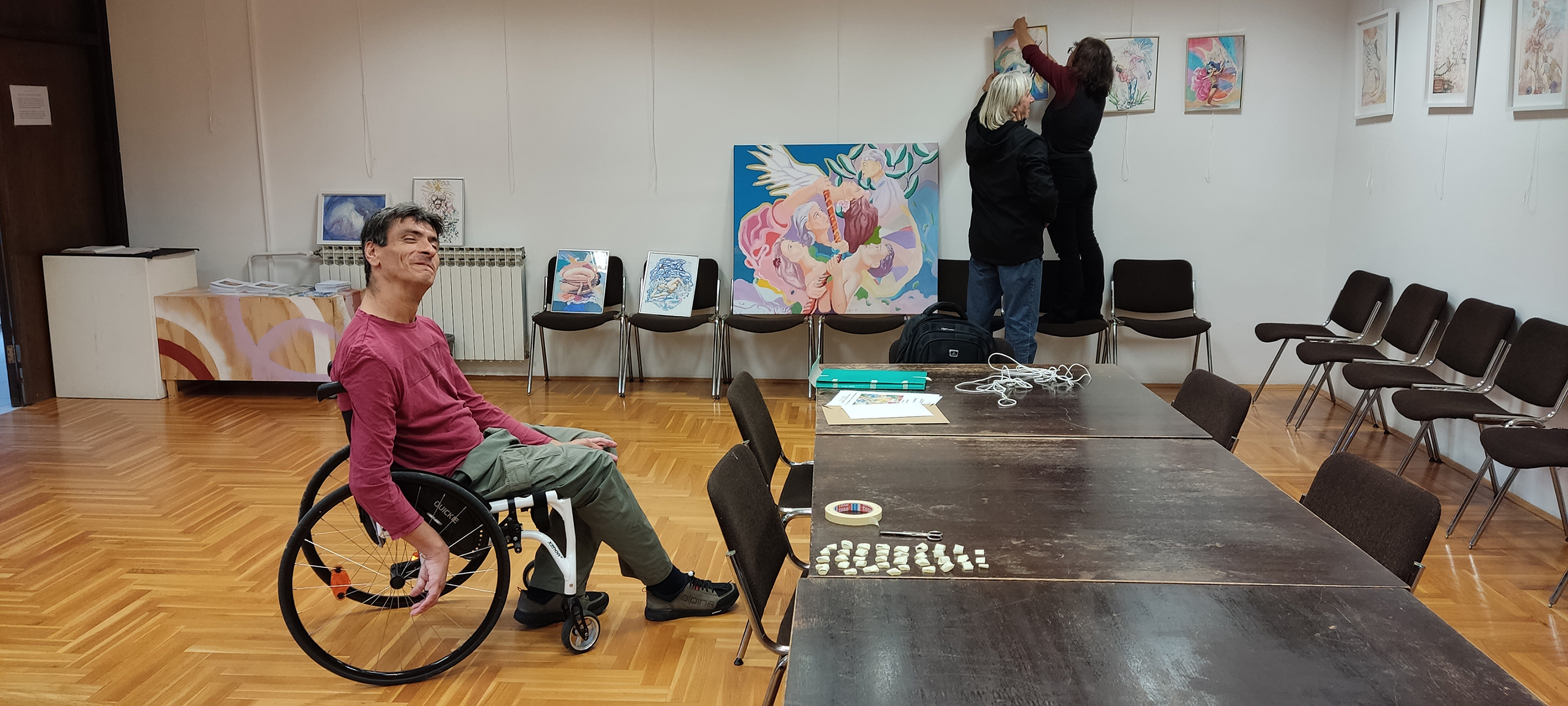
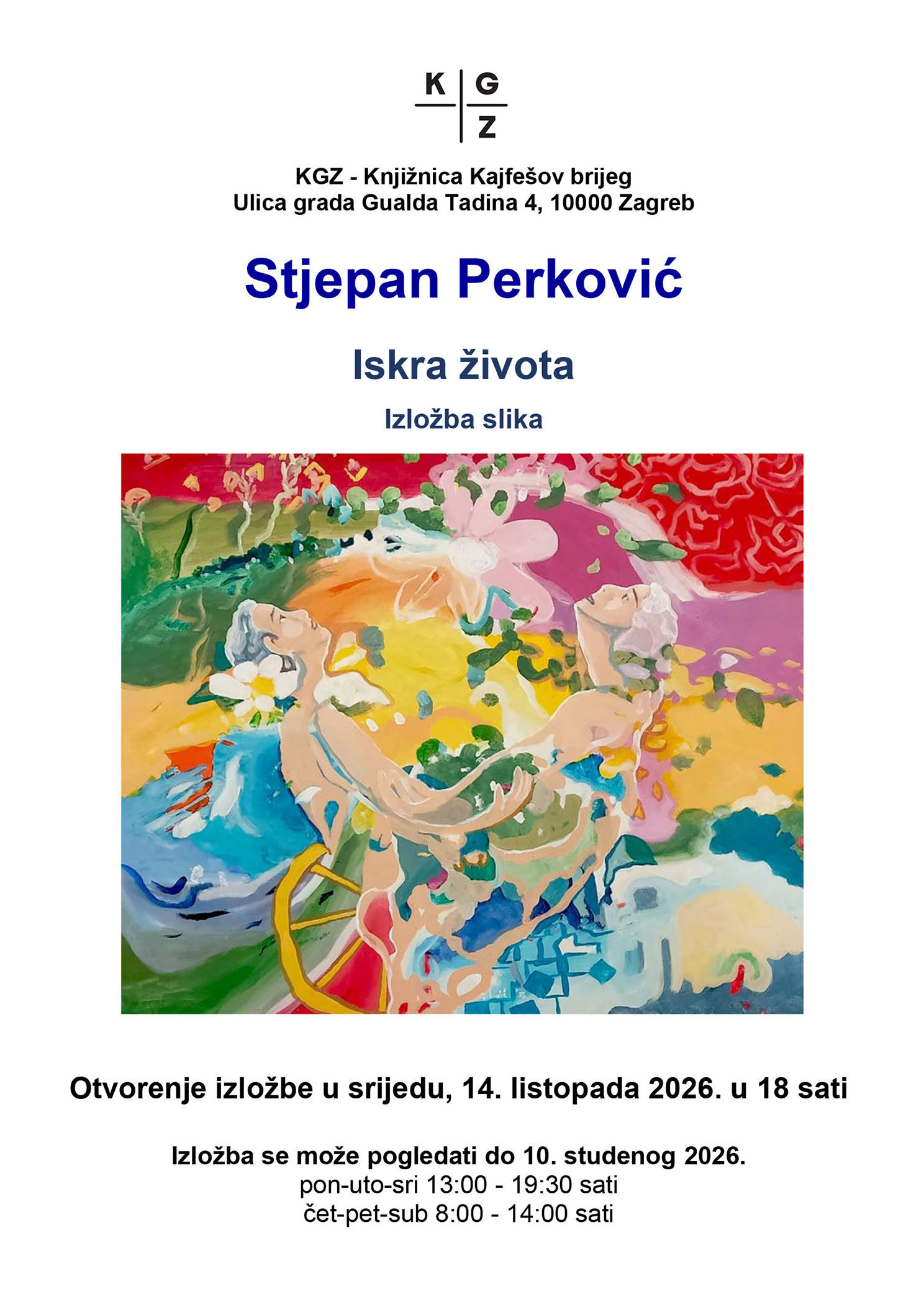
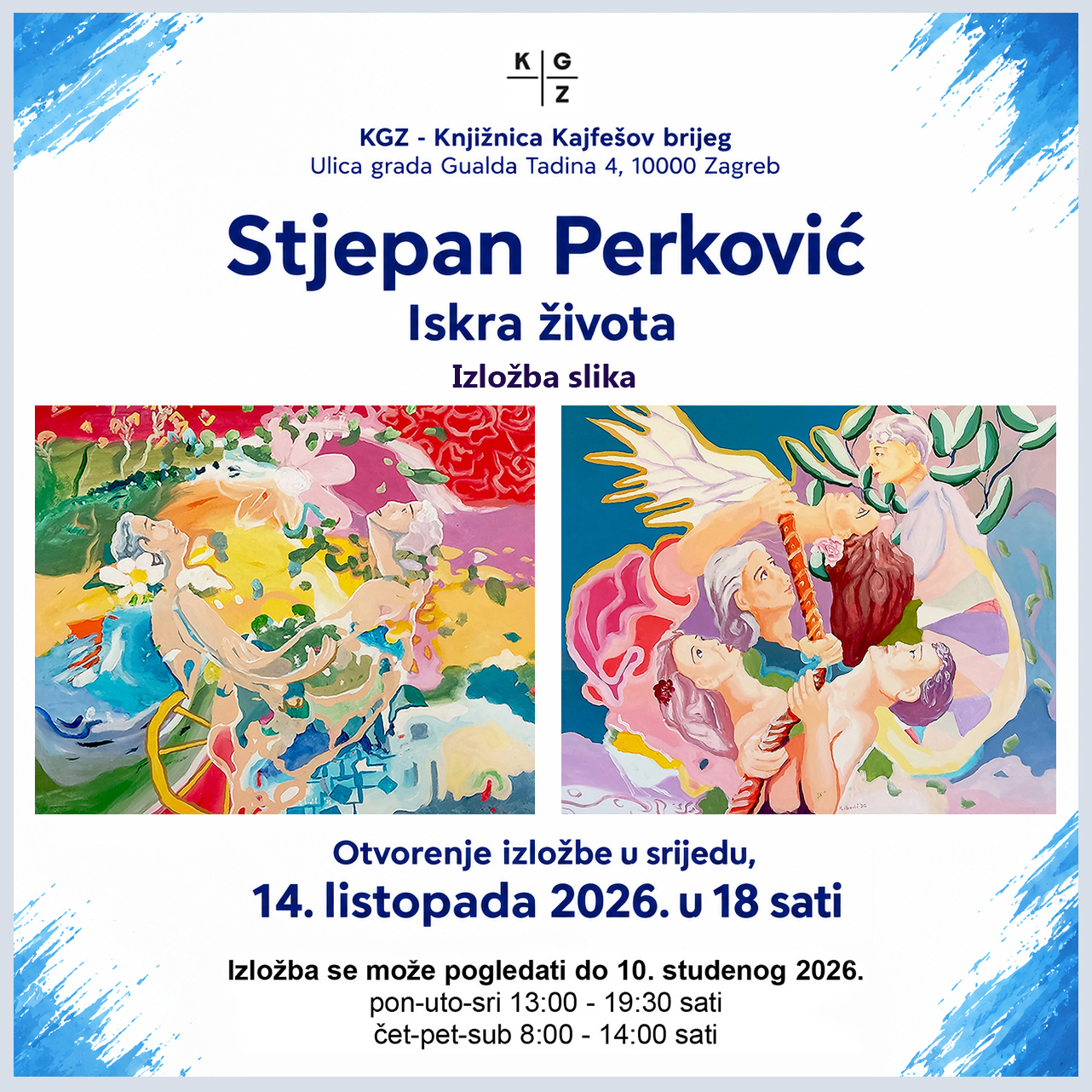
The opening of my 22nd solo exhibition took place on October 14, 2026, where I symbolically presented 22 works, mostly acrylics on canvas along with a few watercolors. The exhibition opened at the gallery of the Kajfeš Brijeg Library in Zagreb and will run until November 10, 2026. What makes this exhibition special is that I drew inspiration from poems written by my wife, Kristina. I brought her poetry to life on canvas, and the audience truly embraced this synergistic concept.
Spark of Life – Between Poetry, Music, and Painting
Stjepan Perković’s series of paintings, “Spark of Life,” represents a complete artistic whole in which painting evolves through a direct dialogue with poetry and music, establishing a specific form of interdisciplinary synthesis. At its core lies the motif of love as a multifaceted experiential and symbolic realm, through which themes of spirituality and corporeality, intimacy and universality, nature and the human being intertwine. The very title of the series points to its underlying concept: a spark is an initial impulse, a small yet intense energy from which an entire world can unfold. In the context of these paintings, it becomes a metaphor for love, but also for complex artistic creation—when a visual record emerges from emotion, a visual interpretation from a verse, a coloristic rhythm from sound.
Such an understanding of love also draws upon Ancient Greek cultural tradition, which recognized various forms of love: eros denoted passionate, physical love; philia referred to affectionate friendship; storge to familial and protective love; agape is associated with unconditional and universal love; ludus signifies playfulness and flirting; pragma mature, enduring love; and philautia self-love. The shared value of these concepts lies in the realization that love is a rich network of emotional, physical, social, and spiritual relationships. It is precisely this multiplicity that can be read within Stjepan’s cycle of paintings, where the artist found a direct impetus for his works through the poetry of his wife and close artistic collaborator, Kristina. This establishes a relationship between two creative sensibilities, functioning through a process of mutual translation between different artistic languages.
Executed in acrylic on canvas and paper, the works are characterized by a pronounced coloristic expressiveness, within which intense colors construct luminous ambiances that convey warmth, sensuality, and joy, while simultaneously enabling a transition toward imaginary and almost surreal worlds. The figures in these depictions are stylized and connected to the surrounding space through movement; their anatomy is often subordinate to the rhythm of the composition, while the body transforms into a bearer of gesture. Thus, a meeting, an embrace, a drawing near, or a distancing become the fundamental forms of visual articulation of inter-figure relationships.
Rounded, fluid, and undulating forms create an impression of continuous flow, in which human figures, water, clouds, and elements of light permeate one another. Consequently, the pictorial space is not static, but functions as an organic field through which elements move freely and spill into one another. Echoes of classical mythological iconography can also be recognized here—motifs of hidden nymphs and Dionysian dances evoke notions of an Arcadian era in which a firm boundary between the human and the natural did not yet exist. Corporeality occupies a special place within this, through human bodies depicted as a source of tactile experience; in certain works, a striking erotic charge is present. At the same time, however, the series gradually transcends sensory boundaries and opens toward the spiritual dimension of love, where the figures appear almost disembodied, as if liberating themselves from physical constraints and entering the realm of memory or dreams. In this way, a dynamic is established between eros and spirituality; yet these two poles are not opposed, but rather complement each other—as physical experience becomes the point of departure for a spiritual encounter, while spiritual longing finds its expression once again in the movement and sensory nature of the material.
It is precisely in this duality that the breadth of the artist’s perception of love manifests itself. Love reveals itself in profound emotional states, but also in small, everyday occurrences—in conversation, dance, swimming, shared reverie, and relaxation, or in the simple fact that two people share the same space and time. Such scenes then introduce an element of daily life into the cycle, one that is nonetheless freed from banality and intentionally transformed into a poetic space, where two people become a universal image of closeness through creativity.
Here, artistic creation itself, much like love, begins with an impulse that cannot be fully explained rationally. Instead, what is required is an openness toward the other, the capacity to listen and accept, and the desire to fully absorb the emotional potential of a relationship and transform it into a magical, primordial garden—a place where spirit and body, man and woman meet as equals through the reality and dreams they have woven into their paintings and poems, imagining a new world.
Krešimira Gojanović, MA in Fine Arts